
The O-3 visa is the O-1 dependent visa category for the spouse and unmarried children under 21 of an approved O-1 Visa holder. O-3 dependent status allows family members to reside in the United States for the full duration of the primary O-1 authorization but does not confer work authorization under any circumstances. Understanding the O-3 visa requirements 2026, the O-3 visa work restriction, and how O-3 dependent status interacts with the primary O-1 petition helps families plan their relocation and finances accurately from the start. Beyond Border is an immigration firm specializing in O-1 Visa petitions and assists families with concurrent O-3 dependent filings.
[Check the USCIS processing times page for current O-3 dependent processing estimates, as USCIS updates these weekly.]
.avif)
O-3 visa eligibility is restricted to two categories of immediate family members: the legally married spouse of the O-1 holder, and unmarried biological, adopted, or stepchildren under the age of 21. All other family members, including parents, siblings, grandparents, and married children of any age, do not meet O-3 visa eligibility requirements and must pursue their own independent visa categories.
Children who turn 21 while in O-3 dependent status age out of eligibility at their 21st birthday. Families managing this situation should plan a status change to F-1 student or another appropriate category before the child's 21st birthday to avoid a gap in lawful status.
O-3 visa requirements 2026 for the application package include: a copy of the primary O-1 Visa holder's I-797 approval notice; a marriage certificate for spousal applications; birth certificates for children; valid passports for each dependent; and passport-style photographs.
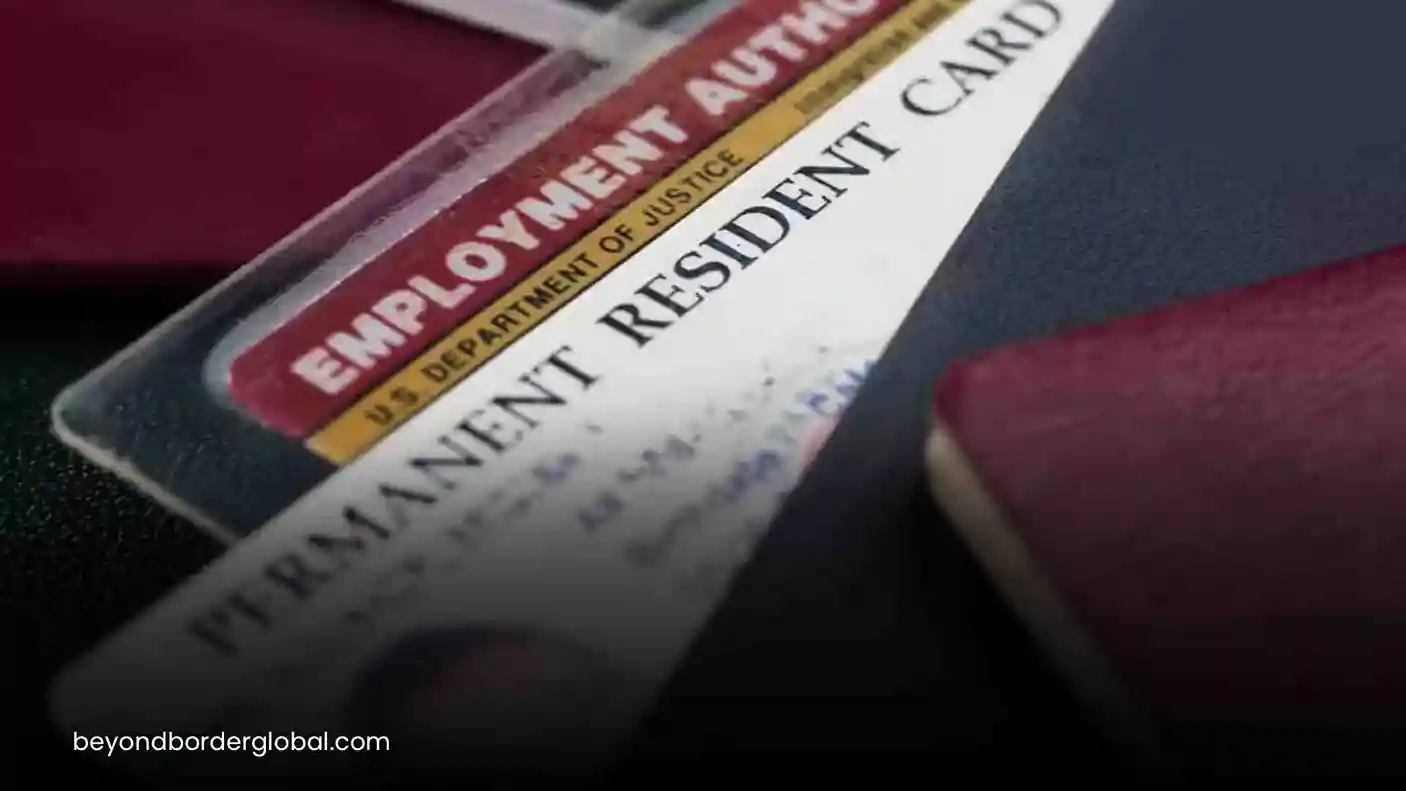
The O-3 visa work restriction is the most consequential limitation of this status category. O-3 holders are prohibited from performing any work in the United States, without exception. The O-3 visa work restriction covers employment for U.S. employers, part-time work, freelance engagements, consulting services, paid internships, and remote work performed for foreign employers while the holder is physically present in the United States.
USCIS treats any work performed on U.S. soil as requiring work authorization, regardless of where the employer is located or where payment originates. An O-3 spouse continuing to work remotely for a foreign company while living in the United States with their O-1 partner is in violation of O-3 dependent status, which can result in status revocation and a bar on future U.S. entry.
O-3 holders who need to work must pursue a separate work-authorized visa category. Options include H-1B status if a qualifying employer sponsorship is available, or O-1A status if the dependent's own professional achievements support an extraordinary ability petition. For further context on how O-1 dual intent interacts with green card planning, see the O-1 dual intent strategy guide.
O-3 dependent status provides meaningful lifestyle flexibility within the work prohibition.
O-3 holders may study at any level from elementary school through graduate programs without obtaining a separate F-1 student visa. This removes a significant logistical burden for families with children or a dependent spouse who wishes to pursue education during the O-1 stay. O-3 holders may also travel freely to and from the United States during the O-3 validity period, apply for a U.S. driver's license in most states, and volunteer for charitable organizations where the role is genuinely unpaid and non-professional.
O-3 holders may not work, accept compensation for services, operate or manage a business, or perform remote professional work of any kind while present in the United States.

O-3 dependent status is linked directly to the primary O-1 Visa holder's status. The O-3 validity period matches the O-1 validity period exactly. If the O-1 is approved for three years, the O-3 is approved for three years. When the O-1 is extended, the O-3 can be extended for the same period through a concurrent filing.
If the primary O-1 employment terminates early, all O-3 dependent status ends simultaneously. Dependents receive the same 60-day grace period as the O-1 holder to make transition arrangements, change status, or depart. For the full grace period rules and what options are available during that window, see the O-1 visa grace period guide.
O-3 applications may be filed simultaneously with the O-1 petition using Form I-129 (with the O/P supplement) or filed separately using Form I-539 if the dependents are already in the United States on another status, or through a consular visa application if joining later from abroad.
For families planning long-term U.S. residence, the O-1 Visa to EB-1 Green Card transition provides a pathway that also creates a route to permanent residence for dependents. For green card options available to O-1 holders, see the green card options for O-1A visa holders guide.
Beyond Border is an immigration firm focused on employment-based high-skilled visa and green card pathways. For O-1 petitions, the firm includes concurrent O-3 dependent applications as part of the standard engagement, coordinates timing to ensure all family members are covered from the O-1 start date, and advises on status transitions when dependents seek work authorization or children approach the age-out threshold.
To discuss your O-3 dependent application alongside an O-1 petition, book a free consultation with Beyond Border.
Absolutely. Since USCIS acknowledges all legally recognised marriages regardless of the gender of the partners, your legally married same-sex spouse is eligible for O-3 status.
They age out of O-3 eligibility on their 21st birthday. They'll need to transition to their own visa category, such as F-1 student status, or leave the US before turning 21.
No. Parents are not eligible for O-3 status. They could visit on B-2 tourist visas, but cannot live in the US long-term as your dependents.
Yes. Unpaid volunteer work for charitable or educational purposes is generally permitted, provided the role is not typically paid.
Yes. O-3 visa holders can obtain driver's licenses in most states. Requirements vary by state, but generally you'll need your passport, I-94 arrival record, and proof of O-3 status.


Address: 4 W 4th Ave, San Mateo, CA 94402, United States
Email: info@beyondborderglobal.com