For Indian H-1B visa applicants, getting the USCIS petition approved is half the process. The other part, which involves getting the visa stamp at the consulate before entering the United States, has become a very difficult process.
The dropbox programme offers a faster route where applicants do not have to undergo consular interviews, but it’s only for select applicants who qualify. In addition, the USCIS processing time for H-1B petitions is 3 to 8 months. After which, there’s an interview wait time of approximately 3 to 6 weeks at most consulates.
This article explains what this process looks like for current H-1B applicants, how to leverage Dropbox, and the current wait times by consulate.
For Indian professionals who want a cap-free alternative to H-1B, see our O-1 visa guide for Indian professionals.
Beyond Border has filed over 4,000 cases with a 98% approval rate and specializes in O-1A and L-1 visa pathways for Indian professionals who want to move past the H-1B lottery, the USCIS backlog, and the long wait times for green card options.
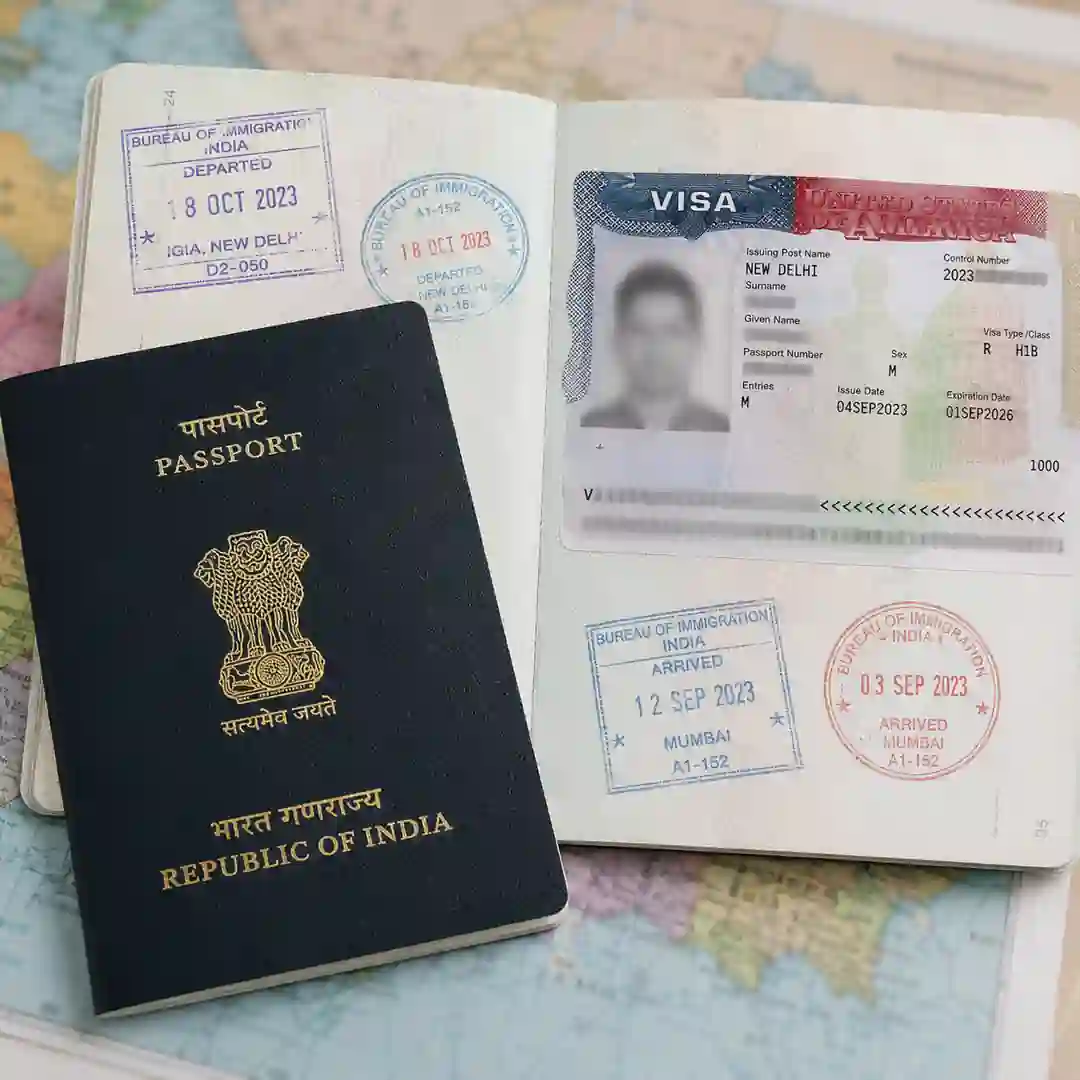
For first-time H-1B holders entering the United States, your employer files the I-129 petition, USCIS approves it, and you, as the employee, apply for a visa stamp at the U.S consulate with the approval notice.
For H-1B holders already in the United States with an extended petition, you only need to stamp your petition if you travel abroad. But it’s not a part of the extension process.
You can only apply for a visa stamp after USCIS has approved the Form I-129 petition and issued an I-797 approval notice. With these, follow these three steps;
At the consulate, there are two appointments: the first is the OFC (Offsite Facilitation Centre) appointment for biometrics, and the other is the consular interview. The OFC appointment typically takes place a day or a few days before the interview. The interview covers your employment history, employer details, and the role description. If it is successful, the officer will retain your passport and return it in 5 to 10 business days.
The dropbox program, also known as the interview waiver program, allows eligible renewal applicants to submit their passports and supporting documents through a Visa Application Centre (VAC) without attending a consulate interview.
It is used by many Indian H-1B holders because it saves a lot of time, and you don’t need to wait for an interview slot. The processing time is 7 to 14 days from the day your document is received, compared to 3 to 6 weeks for interview-based stamping. It is the fastest route for eligible applicants.
To be eligible for the H-1B Visa Dropbox programme, you have to meet the following conditions;
Follow these steps to use Dropbox;
There is limited appointment availability at Indian consulates in 2026. And this is mainly due to the combination of high H-1B petition volumes and limited staff at the consulate. This is not a new problem, and it has not improved in the past two years.
Appointment slots are released on a rolling basis, typically in small batches and fill up fast, within hours, sometimes even minutes. The most effective way to get an appointment time is to check the portal early on weekdays, when new slots are most commonly released.
If you can’t manually check during the day, consider setting up appointment alerts via third-party apps. More importantly, you are not restricted to the consulate nearest to you. Meaning you can book your appointment at any consulate, as long as an interview date is available.
The H-1B visa appointment India wait time is anywhere from 3 to 6 weeks, depending on the consulate. Here’s a breakdown;
The H-1B visa for India has two fee structures: one is the USCIS petition fees paid by the employer, while the other is the consular fees paid by the applicant personally. These payments are made at different stages of the process.
The total cost for an H-1B petition with premium processing is approximately $2,845 to $8,845, depending on employer size and whether the public law surcharge applies. Without premium processing, the fee is approximately $5,810 to $11,810. The applicant in India will pay the MRV visa application fee of $185.
The H-1B processing time, from petition approval to receiving your visa stamp at the consulate, takes up to 11 months. Most of the time is spent waiting for USCIS approval of the petition, which takes 3 to 8 months under standard processing. With premium processing, you’ll receive a decision from USCIS within 15 business days.
Premium processing only speeds up USCIS adjudication on your petition. It does not affect the availability of consulate appointments in India. An applicant who receives their I-797 approval in 15 business days through premium processing can be in the same consulate queue as someone who waited 6 months under standard processing.
Texas Service Center is currently the fastest and completes around 80% of cases in 4.5 months. Unfortunately, employers cannot choose which service center handles their petition.
For some Indian nationals, waiting for a visa lottery they may not win might not be a viable choice. In this case, there are other visas that are not subject to a lottery or annual numerical cap and can be filed at any time during the year. The other options are;
The O-1A visa is for individuals with extraordinary ability in their field (whether that’s business, technology, science, education, or athletics. USCIS sets 8 criteria for this visa, and to qualify, you must meet at least 3.
The criteria includes; receiving nationally or internationally recognised awards, having memberships in associations that require outstanding achievements, having a published material in professional or trade publications, judging or reviewing the work of others in the field, original contributions of major significance, authorship of scholarly articles, employment in a critical or essential role at a distinguished organization, and commanding a high salary relative to peers in the same industry.
The O-1A visa is not limited to industry-defining figures. At Beyond Border, we see this every day in the clients we serve. Many Indian professionals who have been working in technology, science, research, or business leadership for 3 to 5 years have built qualifying evidence without realizing it.
Additionally, the green card pathway from O-1A is the EB-1A visa, and it has no per-country backlog. The same qualifying evidence for the O-1A visa also forms the basis for the EB-1A petition.
This visa is for employees of multinational companies who are in managerial, executive, or specialized knowledge roles. Here, the company is being transferred from a qualifying foreign office to a related U.S. entity.
L-1A is for managers and executives and provides a direct pathway to permanent residency through the EB-1C (multinational executive or manager) visa. In contrast, the L-1B visa is for employees with specialized knowledge that ties to the company’s proprietary systems, products, and knowledge. While L-1B applicants can pursue permanent residency through the EB-2 or EB-3 visas, those routes often involve lengthy processing times and significant visa backlogs.
As a result, the L-1A visa is the better option for individuals seeking a faster route to permanent residency.
If you are an Indian professional facing H-1B appointment delays or a USCIS backlog, the H-1B may not be the right long-term path. Beyond Border specializes in O-1A and L-1 petitions, cap-free, lottery-free alternatives that have helped 4,000+ professionals build a faster, more predictable route to U.S. work authorization and permanent residence. Book a strategy call to find out which path fits your profile.
For renewal applicants, you can use the Dropbox program and get your documents processed in 7 to 14 business days from receipt. Interview-based stamping takes about 3 to 6 weeks, including the appointment scheduling wait. Administrative processing after the interview can extend timelines further.
H-1B visa India fees for stamping include the $185 MRV application fee and approximately $12 to $15 in visa application center handling fees. Travel, accommodation, and documentation expenses are additional, depending on the consulate location.
Applicants with an expired H-1B visa stamp H-1B within the last 48 months, age between 14 and 79, no prior visa violations, and a valid USCIS-approved I-797. First-time H-1B stamp applicants must attend a consular interview.
The O-1A visa for extraordinary ability and the L-1 visa for intracompany transferees both carry no cap and no lottery. O-1A can be filed at any time when the evidence is ready. L-1 requires a qualifying multinational corporate relationship and one year of qualifying foreign employment.
H-1B holders have a 60-day grace period after termination to find a new employer, file a change of status, or depart the country.
Address: 4 W 4th Ave, San Mateo, CA 94402, United States
Email: info@beyondborderglobal.com