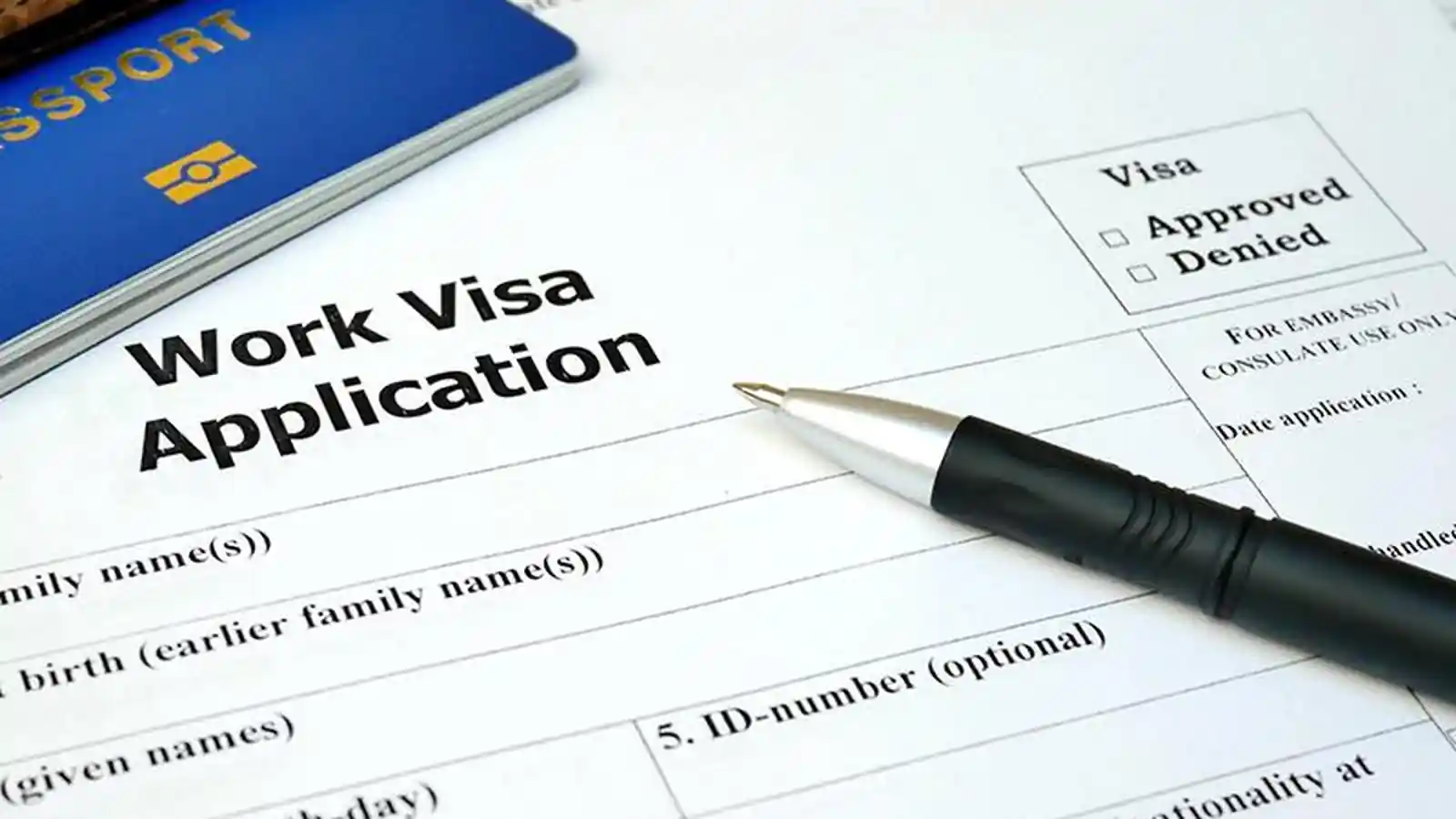
The H-1B lottery is like a game of chance. You can have the right qualifications, a willing employer, and a strong job offer and miss out because your petition wasn’t selected in the lottery.
The good side, however, is that not all employers are subject to the annual lottery. Some organizations qualify as H-1B cap-exempt employers, meaning they can sponsor foreign employees all year without going through the annual lottery.
This article explains the four cap-exempt employer categories and how to find them. If you’re exploring other alternatives to the H-1B visa, Beyond Border has processed over 4,000 cases with a 98% approval rate. Our attorneys can evaluate your profile and develop a strategy around your career goals.
A cap-exempt H-1B employer is an organization or institution that can sponsor H-1B workers without being limited by the annual visa cap. Cap-subject employers have to compete in a lottery each year, while cap-exempt organizations can file their petitions any time.
Every fiscal year, USCIS limits H-1B cap subject approvals to 85,000. 65,000 for the general category and 20,000 for workers with a U.S. master's degree or higher. However, cap-exempt employers are not subject to this limit. A cap-exempt employer can file an H-1B petition whenever the job and LCA are ready.
There are four categories of H-1B cap-exempt employers. Each category has its own requirements. They include;
Note: Not every non-profit organization is cap-exempt. The organization must satisfy one of these statutory categories to qualify to be a H-1B cap-exempt employer.
For-profit organizations may be able to file cap-exempt H-1B petitions if the employee will perform the majority of their job duties at a qualifying cap-exempt institution. For example, a data scientist carrying out research full-time at a University’s robotics center qualifies under this rule.
If this worker is later reassigned to a non-exempt worksite such as a private company’s AI development center that is under independent ownership, they no longer qualify for the H-1B cap exemption.
Note: According to Beyond Border attorneys, your cap-exempt status is tied to that of your employer. Meaning, if your employer loses their qualifying status mid-employment (for example, a University’s AI research center gets shut down), you automatically lose your status. Consult an immigration attorney at Beyond Border immediately to find alternative options for you.
Having a cap-exempt employer status does not automatically satisfy all requirements. The position and the worker must also meet the standard H-1B occupation criteria regardless of the employer’s exempt status.
Note: Your previous lottery failures, current immigration status, and nationality do not affect your cap-exempt eligibility.
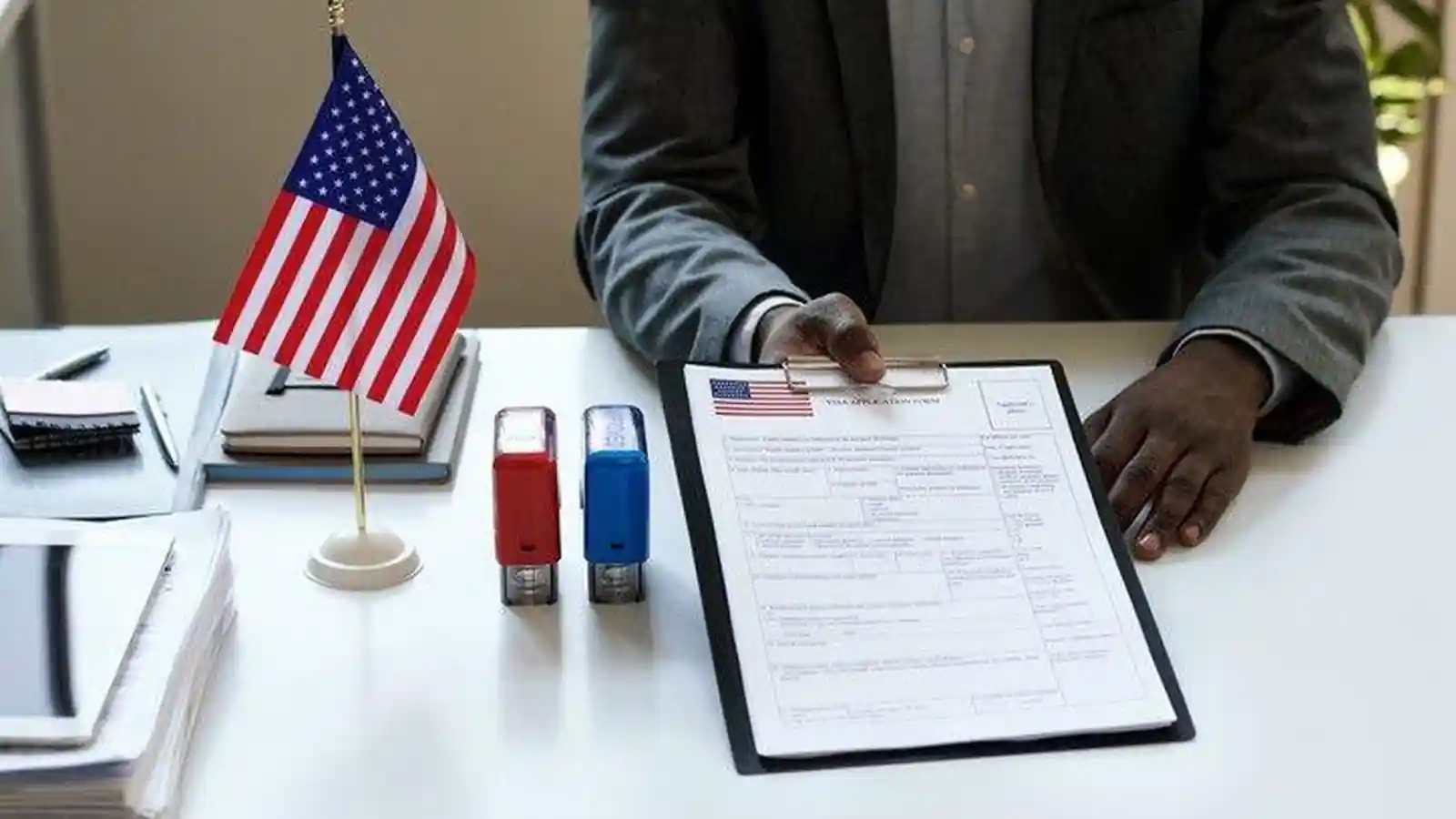
There is no single H-1B cap-exempt companies list. However, every quarter, the Department of Labor (DOL) publishes the Labor Condition Act (LCA) for every H-1B filing. This record shows the employer's name, job title, wage, and whether the employer filed the petition as cap-exempt. So you can use this information to identify which employers have cap-exempt status based on the petitions filed.
Download the disclosure data for the FY 2026 H-1B program and filter by employer name. If the filings show the cap-exempt indicator, then it’s a good sign that they’ve done this before. This is the most reliable starting point for finding H-1B cap-exempt companies.
The H-1B cap-exempt Form I-129 petitions can be filed at any time. There is no lottery or registration period. Employers can hire based on academic schedules, research timelines, or business needs rather than the annual H-1B cap cycle.
Standard processing time for an H-1B cap-exempt petition is 3 to 6 months. However, premium processing is available via Form I-907, which guarantees a USCIS action within 15 business days from the day of receipt, not the day you mail your document.
On the H-1B cap-exempt status, employers can hire based on academic schedules, research timelines, or business needs rather than the annual H-1B cap cycle.
Moving from a cap-exempt employer to a cap-subject employer means you have to enter the lottery. If all of your H-1B employment has been in cap-exempt positions, you have not been counted against the annual H-1B cap. As a result, you cannot use the “previously counted” exemption when moving to a cap-subject employer.
The “previously counted” exemption allows an individual who has already been counted against the H-1B cap to get another cap-subject H-1B petition without going through the lottery again, provided they are seeking more time on their H-1B status and are within the existing six-year H-1B eligibility period.
The other alternative is to have concurrent employment. Meaning, you still keep your cap-exempt job, while your cap-subject employer files a new I-129 petition on your behalf. As long as you maintain the cap-exempt job, the cap-subject petition won’t need a lottery.
For example, a data scientist works full-time at a university research center in a cap-exempt status. But they receive an offer at a private AI startup. Instead of leaving the university position, they can continue working at the university while the startup files a concurrent H-1B petition. Because the data scientist maintained his position at the university, the startup’s petition can be approved without going through the lottery.
If the data scientist later resigns from the university and works only for the startup, they would need to become cap-subject and may require a cap number unless another exemption applies.
For professionals who want to work at for-profit technology companies, the cap-subject pathway is the standard route with lottery exposure. However, alternatives such as the O-1A extraordinary ability visa and the L-1A intra-company transfer avoid the lottery entirely for qualifying professionals, regardless of employer type.
Beyond Border specializes in employment-based categories such as O-1, L-1, EB-2 NIW, and EB-1A green cards for highly-skilled professionals. The company has processed over 4,000 cases, with a 98% approval rate across the board, and a client base that includes professionals from Salesforce, Google, Yelp, Chime, Visa, and Mastercard, spanning both high-growth technology companies and established financial services firms. Schedule a free consultation to learn about H-1B lottery alternatives for technology and business professionals.
Standard processing for H-1B cap-exempt petitions takes 3 to 6 months. However, you can get faster adjudication in 15 business days via premium processing, which adds an extra $2,965 to your cost.
It depends on the worker's physical location at the time the petition is filed. The $100,000 fee from the September 2025 proclamation applies to H-1B petitions that require consular processing. This means the worker is outside the U.S. and needs a visa stamp to enter. Cap-exempt employers filing for workers already in the U.S. on valid status and changing status domestically are exempt from this fee. If the cap-exempt employer requires the worker to obtain a visa abroad, consult your immigration counsel to confirm whether the fee applies.
Yes. Both the time spent in cap-exempt and cap-subject H-1B status count toward the six-year maximum stay. The cap exemption applies only to numerical limits, not to individual maximum stay durations.
Form I-129 costs $460 for small employers and qualifying nonprofits, or $780 for standard employers, and between $300 - $600 for the Asylum Programme fee. Premium processing via Form I-907 adds $2,965. Many cap-exempt employers, such as universities, qualify for the reduced base fee rate.
First, start by checking if it falls under the four categories of cap-exempt employers: institutions of higher education, nonprofit organizations affiliated with or related to higher education, government research organizations, and nonprofit research organizations. Then download the Department of Labor’s quarterly LCA disclosure data; this shows the employers with cap-exempt fields next to them. If you're unsure, an immigration attorney can help verify the organization's eligibility.

Address: 4 W 4th Ave, San Mateo, CA 94402, United States
Email: info@beyondborderglobal.com