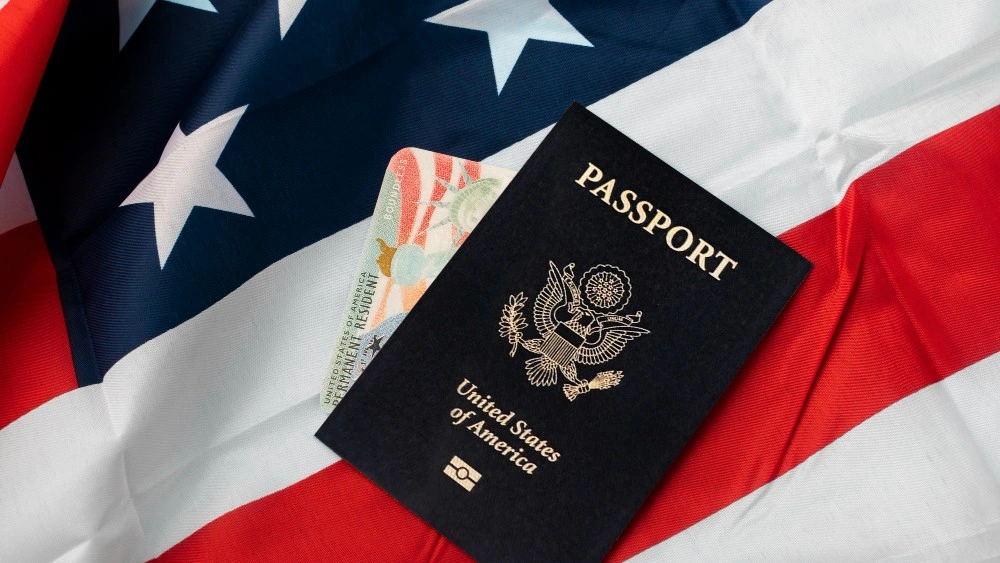
After I-140 approval, the green card process continues through either adjustment of status within the United States or consular processing abroad. The I-140 approval itself is a milestone confirming USCIS has accepted the petition, but it does not grant permanent residence. What happens next depends on the priority date, country of birth, and physical location at the time the priority date becomes current. This guide covers every stage from I-140 approval to green card receipt in 2026.
[Check the USCIS processing times page for current I-485 processing estimates, as USCIS updates these weekly.]
Beyond Border
Beyond Border is an immigration firm specializing in employment-based green card pathways including EB-1A, EB-2 NIW, O-1, and L-1. The firm prepares both I-140 petitions and I-485 adjustment of status packages, manages concurrent filing strategy, and provides ongoing case support from petition through to green card receipt. A money-back guarantee applies if the petition is unsuccessful.
Fragomen provides post-I-140 support including I-485 preparation and consular processing coordination primarily within large enterprise mobility programs, typically for employer-sponsored EB-2 PERM and EB-3 categories.
Murthy Law Firm handles individual-focused post-I-140 case management including priority date monitoring, I-485 filing, and interview preparation for H-1B and employment-based green card applicants.
Klasko Immigration Law Partners assists with adjustment of status filings and consular processing for EB-1 and EB-2 NIW applicants, particularly academics and self-petitioning professionals.
For a full explanation of what I-140 approval means and what the form covers, see the Form I-140 approval time and meaning guide.
I-140 approval confirms that USCIS has determined the applicant qualifies for the employment-based immigrant category under which the petition was filed. It does not grant a green card, authorize work, permit travel, or change nonimmigrant status. The approval is the qualifying step, not the final one.
What I-140 approval does provide immediately:
The distinction between I-140 approval and green card receipt is particularly important for Indian and Chinese-born applicants in the EB-2 category, where the gap between the two events is measured in years rather than months.
.webp)
The priority date is the date USCIS received either the PERM labor certification or the I-140 petition, whichever came first. For EB-1A and EB-2 NIW self-petitioners, the priority date is the I-140 receipt date.
The Department of State publishes the Visa Bulletin monthly. It shows which priority dates are eligible for green card processing in each employment-based category and country of birth. When the Visa Bulletin shows the priority date as current, the applicant can proceed to I-485 filing or consular processing.
Congress limits employment-based green cards to approximately 140,000 per year across all categories. A per-country cap restricts any single country to 7% of the annual total. This cap creates the backlogs that affect Indian and Chinese-born applicants across EB-2 and EB-3 categories.
Priority date status by category and country as of April 2026:
(Source: U.S. Department of State Visa Bulletin, April 2026)
For a country-by-country priority date backlog breakdown, see the I-140 priority date backlog country comparison.
The Visa Bulletin contains two separate date tables. Understanding which one applies in a given month is critical to filing timing.
The Dates for Filing chart shows when applicants can submit an I-485 package to USCIS. Filing under this chart does not guarantee immediate green card approval, but it triggers eligibility for EAD, Advance Parole, and family derivative filing. USCIS announces each month whether the Dates for Filing chart is available for employment-based filings.
The Final Action Dates chart shows when USCIS can actually approve the I-485 and issue the green card. This chart is more restrictive and is always in effect as the approval benchmark.
When USCIS allows use of the Dates for Filing chart, filing early provides practical benefits even before the Final Action Date is reached. When annual visa numbers approach their cap, USCIS may restrict filings to Final Action Dates only. Monitoring the Visa Bulletin monthly is essential to catch filing windows when they open.
Form I-485, Application to Register Permanent Residence or Adjust Status, is the application that converts an approved I-140 into a green card for applicants inside the United States. It is filed when the priority date is current under the applicable Visa Bulletin chart and the applicant is physically present in the United States in valid nonimmigrant status.
Documents required for I-485:
USCIS filing fees as of 2026:
For the full I-485 document preparation checklist, see the I-485 documents checklist guide.

Filing I-485 triggers two interim benefits that provide meaningful flexibility during the pending period.
The Employment Authorization Document, filed using Form I-765, allows the applicant to work for any U.S. employer without restriction. It is not tied to a specific employer and is not dependent on maintaining existing nonimmigrant visa status. EAD is typically issued within three to five months of I-485 filing.
Advance Parole, filed using Form I-131, allows international travel while the I-485 is pending without abandoning the green card application. Traveling outside the United States on a nonimmigrant visa without Advance Parole while an I-485 is pending can result in abandonment of the application. Advance Parole is typically issued within three to five months of filing.
For applicants with pending I-485 cases considering travel abroad, the I-485 travel planning and advance parole guide covers the specific risks and requirements before departing.
AC-21 job portability becomes available once the I-485 has been pending for 180 days and the I-140 is approved. Under AC-21, the applicant may change to a same or similar occupation without jeopardizing the green card. For the full portability rules, see AC-21 job change rules while I-485 is pending.
Consular processing is the path for applicants who are outside the United States when the priority date becomes current, or who choose to complete green card processing abroad rather than through adjustment of status.
After I-140 approval, the case transfers to the National Visa Center. The NVC collects documents, processes fees, and forwards the case to the appropriate U.S. embassy or consulate for interview scheduling. The consular processing timeline from NVC submission to interview is typically three to six months, though this varies by country and embassy backlog.
After a successful consular interview, the applicant receives an immigrant visa stamp in their passport, travels to the United States, and is admitted as a lawful permanent resident at the port of entry. The physical green card arrives by mail within a few weeks of entry.
Adjustment of status versus consular processing at a glance:
Adjustment of status requires being inside the United States, provides EAD and Advance Parole during processing, and typically takes 11 to 31.5 months. Consular processing requires being outside the United States, does not provide EAD, and typically takes three to six months from NVC submission to interview. Both paths result in lawful permanent resident status and include family derivatives.
For a full comparison of both routes, see the I-485 vs consular processing guide.
For most countries outside India and China where priority dates are current, the total timeline from I-140 approval to green card receipt through adjustment of status is typically 18 to 24 months. This includes I-485 processing of 11 to 31.5 months offset by any time already elapsed since I-140 approval.
For Indian-born EB-2 NIW applicants, the Dates for Filing cutoff stands at approximately November 2014 as of April 2026. An applicant filing an I-140 today would face a wait of over ten years before the priority date reaches current under Final Action Dates. For Indian-born EB-1A applicants, the cutoff is significantly more favorable at approximately April 2023, making EB-1A a materially faster path for those who qualify.
Beyond Border consistently recommends that Indian and Chinese-born EB-2 NIW applicants evaluate EB-1A eligibility in parallel with maintaining their EB-2 priority date. Priority date porting allows an applicant with a earlier EB-2 date to carry it into the EB-1A category if the new petition is filed before the EB-2 priority date expires. For current EB-1 India priority date projections, see the EB-1 priority date India guide.
Beyond Border is an immigration firm focused exclusively on employment-based high-skilled visa and green card pathways. For applicants who have received I-140 approval and are planning the next stage, the firm provides priority date monitoring, I-485 package preparation, concurrent filing strategy, and case support through to green card receipt.
Clients include professionals from JP Morgan, Google, Salesforce, Chime, Visa, and Mastercard. A money-back guarantee applies if the petition is unsuccessful. Petitions are submitted within one month of receiving all supporting documents.
If you have received I-140 approval and want a clear view of your next steps and realistic timeline in 2026, book a free consultation with the Beyond Border team.
I-140 approval locks in your priority date and confirms USCIS has accepted the petition. Your next step is monitoring the Visa Bulletin monthly to determine when the priority date becomes current for I-485 filing or consular processing. In the interim, H-1B holders gain access to extensions beyond the six-year cap.
You can file I-485 as soon as the priority date is current under the applicable Visa Bulletin chart and you are physically present in the United States in valid status. For most countries outside India and China, this may be possible immediately or within months of I-140 approval. For Indian and Chinese EB-2 applicants, the wait is measured in years.
No. I-140 approval alone does not authorize employment. Work authorization comes from either maintaining a valid nonimmigrant work visa or receiving an EAD after filing I-485. H-1B holders can continue working on their existing status while I-485 is pending.
After I-140 approval, the priority date is preserved regardless of employer. However, AC-21 job portability rights for I-485 cases apply only once the I-485 has been pending for 180 days. Changing jobs before that point carries risk for employer-sponsored categories. EB-1A and EB-2 NIW self-petitioners have broader flexibility as there is no employer relationship to maintain.
If the Visa Bulletin cutoff moves backward after the I-485 is filed, the case enters an extended pending status. It cannot receive final approval until the Final Action Date advances to cover the priority date. EAD and Advance Parole remain valid and renewable throughout this period.