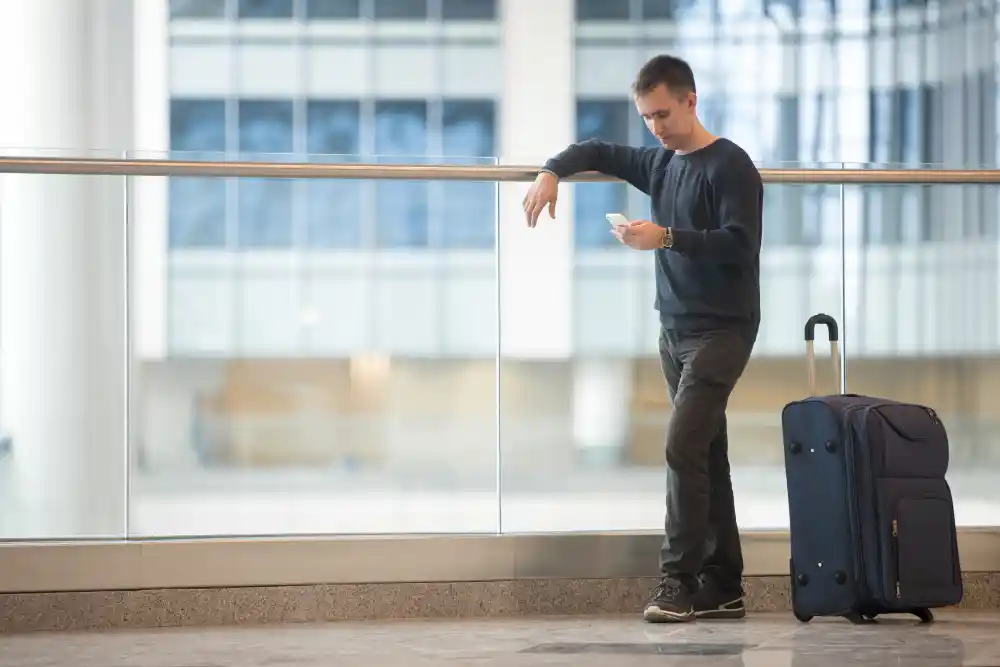
For H-1B visa holders, traveling internationally and re-entering the United States after an approved extension can sometimes lead to an unexpected issue: your approved H-1B extension might not be reflected at airport entry. This can create confusion and delay your re-entry process, which can be frustrating, especially after receiving approval from USCIS. But don’t worry, there are steps you can take to resolve the issue quickly and efficiently.
If you originally entered the U.S. on an F‑1 visa and later changed status to H‑1B, especially through the cap‑gap, be sure you understand how that transition impacts your extension and entry. For a full walkthrough of that process, see our F‑1 to H‑1B Visa 2026 Guide.
What is the H-1B Extension Process?
Before diving into the specifics of entry issues, it’s essential to understand the basics of the H-1B extension process.
An H-1B extension allows foreign workers in specialty occupations to extend their stay in the U.S. typically for up to three years. This extension is granted if the worker’s employer files a petition with USCIS (U.S. Citizenship and Immigration Services), providing the necessary evidence of continued employment in a qualifying position.
Once USCIS approves the petition, the applicant receives an approval notice, Form I-797, which confirms the extension. The approved extension is valid for entry into the U.S., provided the visa holder also has a valid H-1B visa stamp in their passport and the corresponding I-94 is updated.
However, despite approval, the H-1B extension might not always reflect immediately at the airport. Here’s why that can happen and how to address it.
If you're considering long-term options or transitioning to a different visa, you might also explore the O-1 Visa, L-1 Visa, or EB-1 Visa for professionals with extraordinary abilities or specialized knowledge.
Why Your Approved H-1B Extension May Not Appear at Airport Entry?
Administrative Delays in USCIS Updates
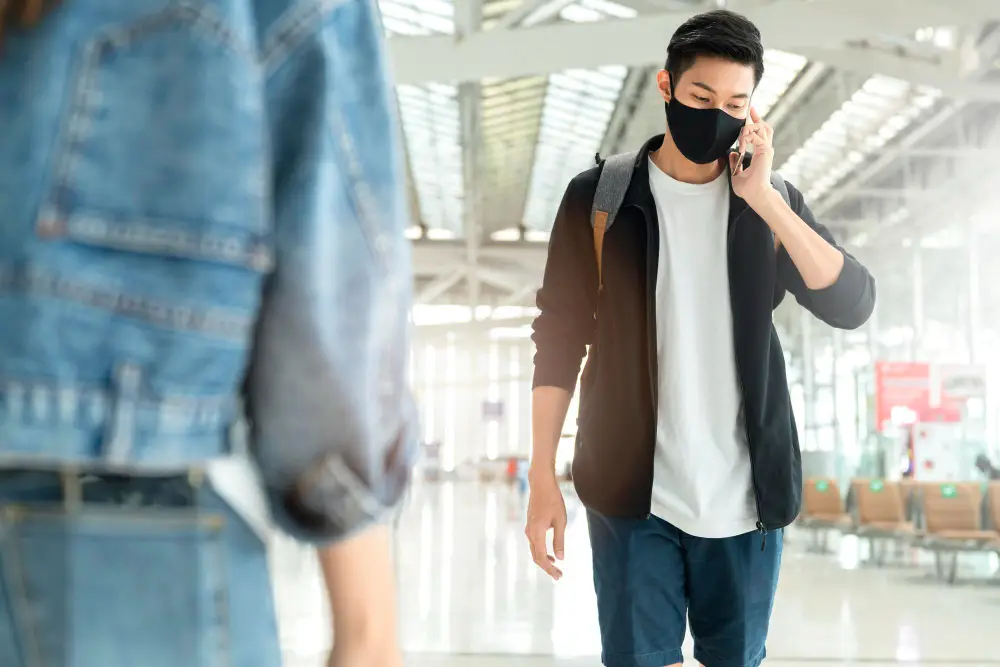
One of the most common reasons your approved H-1B extension may not appear during airport entry is a delay in updating the U.S. Customs and Border Protection (CBP) system with your extension information. USCIS and CBP systems don’t always sync in real-time, which means that although your extension may have been approved, it might not yet appear in the CBP’s system by the time you arrive at the airport.
These updates typically take a few days or even weeks to reflect in CBP’s database. If you’re returning to the U.S. shortly after your approval, it’s possible that CBP’s system hasn’t yet captured your updated H-1B extension details.
I-94 Record Issues
The I-94 record, which is an electronic document issued by CBP at the time of entry, plays a crucial role in tracking your immigration status. This record is often updated based on your H-1B approval and subsequent entry. However, errors in the I-94 record can occur, especially if there were any discrepancies during your last entry or if the system failed to update correctly after your extension.
If the I-94 record doesn’t reflect your H-1B extension, CBP might not be able to verify your current legal status, leading to confusion at the airport.
The Role of the CBP Officer at Port of Entry
While the CBP officer at the airport is responsible for confirming your immigration status, mistakes or oversights can happen during the inspection process. If the officer doesn’t have the most up-to-date information about your H-1B extension, they may mistakenly treat your case as if you don’t have an active extension.
This doesn’t mean your extension is invalid, it simply means that the officer doesn’t have all the necessary information readily available.
How to Handle an H-1B Extension Issue at the Airport?

If you find yourself in a situation where your approved H-1B extension isn’t reflected at airport entry, it’s important to stay calm and know the steps to take.
Stay Calm and Cooperate with the CBP Officer
The first thing to remember is to stay calm and cooperative with the Customs and Border Protection (CBP) officer. Border control officers deal with many passengers daily, and occasional errors in the system can happen. It’s important to remain patient and respectful while explaining your situation. Clearly state that you have an approved extension and provide the necessary documentation. Keeping a calm demeanor will help the officer focus on resolving the issue instead of escalating the situation.
Provide the Right Documentation
Having the correct documents readily available is critical in ensuring your extension issue is addressed quickly. Here’s a list of key documents you should present to the officer:
- Form I-797 Approval Notice: This is the official USCIS approval for your H-1B extension. It is vital to demonstrate that your extension is legitimate.
- Valid Passport with H-1B Visa Stamp: Your passport should have an up-to-date H-1B visa stamp to prove that you’re authorized to re-enter the U.S. on an H-1B status.
- I-94 Record: If possible, show the officer your updated I-94 record. The I-94 is an electronic record of your entry and exit into the U.S. If you cannot show an updated I-94 at the airport, it’s essential to bring a printout of your most recent I-94 from the CBP website. This can clarify your legal entry status and expedite the process.
Next Steps if Your Entry Is Delayed
If the issue persists, and you're detained for further inspection, here are some immediate steps you can take:
- Request a Supervisor: If the officer cannot resolve the issue or seems unsure, politely ask to speak with a supervisor or a more senior officer. They may have access to more advanced resources or records that can clear up the confusion.
- Contact USCIS for Immediate Clarification: Call the USCIS Contact Center at 1-800-375-5283. Explain your situation and provide your case details. While this may not immediately resolve the issue at the airport, it can help clarify your case with USCIS and potentially expedite the process.
- Secondary Inspection: If necessary, you may be referred to secondary inspection, which is a more detailed examination by CBP officers. During secondary inspection, you will have the opportunity to provide all your documents, including the Form I-797 approval notice, passport, and I-94, for further review. This is an essential step in resolving discrepancies and ensuring your extension is recognized.
What to Do If Your H-1B Extension is Not Reflected After Entry?
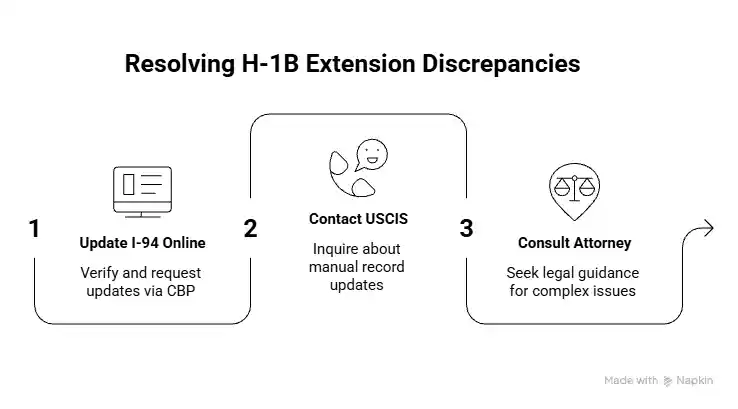
Once you've entered the U.S. and your approved H-1B extension isn’t reflected in the system, it’s important to take prompt action to resolve any discrepancies. Here are the steps you can take to ensure your extension is correctly updated and recognized:
1. Update Your I-94 Record Online
You can check your I-94 record online through the CBP website. If your H-1B extension isn’t reflected, you may be able to correct the information by submitting a request to CBP. The online I-94 system allows you to verify your entry record and request updates if necessary. This is often the first step in addressing discrepancies that may have occurred during your airport entry.
- How to do it:
- Visit the CBP I-94 website.
- Check your most recent I-94 entry information.
- If your extension isn’t listed, you can follow the steps to request an update.
2. Contact USCIS for Clarification
If your I-94 record still doesn’t reflect the H-1B extension after you’ve checked it online, your next step is to contact USCIS directly. USCIS may need to manually update your records to reflect your H-1B extension in their system. While this may take some time, it’s an essential step to ensure that your legal status is recognized, particularly for future entries or visa-related processes.
- How to do it:
- Call USCIS Customer Service at 1-800-375-5283 to inquire about the status of your case.
- Be prepared to provide your case number, I-797 approval notice, and any other relevant details.
3. Consult with an Immigration Attorney
If you’re facing significant discrepancies, delays, or difficulties in updating your records, it might be time to consult with an immigration attorney. An experienced attorney can guide you through the process, help you communicate with USCIS and CBP, and ensure that your records are corrected. They can also advise you on your legal status and assist with resolving complex issues.
- How to do it:
- Reach out to a qualified immigration lawyer who specializes in H-1B visas and extensions.
- Schedule a consultation to review your case and determine the best course of action.
What are the Common Mistakes to Avoid When Dealing with Airport Entry Issues?
To avoid further complications and ensure a smooth re-entry into the U.S., it's essential to be proactive and avoid these common mistakes:
Not Having Proper Documentation Ready
One of the most common mistakes travelers make is failing to have all the necessary documents on hand. This can cause significant delays at the airport. Always make sure you carry your Form I-797 (H-1B extension approval notice), a valid passport with an appropriate visa stamp, and your updated I-94 information. The Form I-797 is crucial because it proves your approved extension, while your I-94 serves as the record of your entry.
Having all of these readily available can help resolve any confusion or delays with CBP officers quickly. Without them, you risk being detained for further checks, which can cause stress and unnecessary delays.
Failing to Follow Up with USCIS or CBP
Another key mistake is not following up after encountering an issue. If you’re held up or there’s confusion about your extension status, it’s critical to follow up with both USCIS and CBP promptly. USCIS handles the extension process, while CBP manages your entry record.
If your records aren’t updated, or if there’s an error, contacting both agencies ensures that the issue is resolved quickly. Ignoring the problem or waiting too long can lead to more significant complications down the road, such as problems with your I-94, visa status, or even future travel. Stay proactive and contact USCIS for clarification and check with CBP to ensure your records are up to date.
Resolve Your H-1B Entry Issues with Expert Help
If you're experiencing delays or confusion at the airport regarding your approved H-1B extension, don’t wait for the issue to resolve itself. Beyond Border specializes in navigating complex immigration challenges. Let us help you resolve any issues swiftly and ensure that your legal status is updated without further delay.
Schedule your free consultation and profile evaluation.
Our experienced team is here to guide you through every step of the process, from handling USCIS and CBP discrepancies to ensuring smooth re-entry into the U.S. Don’t risk further delays, take action now.
Frequently Asked Questions
The update to CBP’s system may not have occurred yet due to administrative delays, which can cause discrepancies at the airport.
Ensure you have your Form I-797 (approval notice), valid passport with H-1B visa, and an updated I-94 record.
Stay calm, provide the necessary documentation, request a supervisor if needed, and contact USCIS for clarification.
No, your extension must be reflected in the system for entry. If not, follow the steps to resolve the issue, such as contacting USCIS or CBP.
It can take several days or even weeks for your information to update in CBP's system. If it's not updated at entry, follow up with USCIS or CBP.