
The O-1 visa is designed for individuals who possess extraordinary abilities in fields such as the arts, sciences, business, education, or athletics. One of the most important aspects of an O-1 visa petition is proving that the applicant has played a "critical role" in a distinguished organization. In this article, we’ll dive into how to demonstrate your essential contribution to such an organization, ensuring that your O-1 petition meets USCIS requirements.
What Is the O-1 Visa?
The O-1 visa is a nonimmigrant visa that allows individuals with extraordinary abilities to work temporarily in the United States. It is granted to those who have a proven track record of achievement in their field, whether it’s through awards, publications, or high-level professional accomplishments.
Eligibility Criteria for O-1 Visa Applicants
The O-1 visa is granted to individuals who meet specific criteria:
- O-1A visa: For individuals in the fields of science, education, business, or athletics.
- O-1B visa: For individuals in the arts, motion picture, or television industry.
To qualify for the O-1 visa, applicants must prove their extraordinary abilities through extensive documentation. This may include reference letters from experts, media coverage, awards, and other evidence that showcases their influence in their field.
Applicants in lean companies can also review our guide to proving policy-level decision-making in a small team, which is especially useful when headcount alone understates seniority.
What is the "Critical Role" in O-1 Visa Applications?
One of the key factors that USCIS looks at when evaluating an O-1 petition is whether the applicant has held a critical role within a distinguished organization. This critical role is important because it demonstrates that the applicant’s contributions are indispensable to the success of the organization.
What Is Considered a Critical Role?
A critical role means that the applicant’s work is essential to the organization’s operations. If your role is truly critical, it implies that without your expertise, the organization would struggle to meet its goals or deliver results. This could mean overseeing major projects, influencing company direction, or contributing to groundbreaking innovations.
For instance, a software developer working for a top tech company like Google might be considered to have a critical role if their code is integral to a flagship product, or a renowned artist could have a critical role if their work is essential to the brand identity of a prestigious gallery.
The Role of a Distinguished Organization
USCIS requires that the organization where you work be "distinguished." This means that the organization is well-regarded within its industry or field, whether because of its reputation, its contributions to the field, or its prominence.
Examples of Distinguished Organizations:
- Global tech companies like Apple or Microsoft
- High-profile arts institutions like the Museum of Modern Art (MoMA)
- Leading research organizations such as the National Institutes of Health (NIH)
These organizations are considered distinguished because they play a significant role in advancing their respective fields.
How to Prove Your Critical Role for the O-1 Visa?

To successfully prove your critical role in an O-1 visa application, you need to present a compelling narrative supported by substantial evidence. Your goal is to demonstrate that your work is indispensable to the organization’s success, and that your expertise has made a significant impact. This section outlines the key steps to help you build a strong case.
Gathering Key Evidence
The foundation of proving your critical role lies in providing detailed, tangible documentation that reflects your importance to the organization. Here are some of the most effective types of evidence you should gather:
1. Letters of Recommendation
Letters of recommendation from senior colleagues, managers, or industry experts are one of the most powerful pieces of evidence you can provide. These letters should explicitly outline:
- Your role and responsibilities: A clear description of your position within the organization.
- Impact on the organization: How your contributions have helped the organization achieve its goals or overcome challenges.
- Your unique skills or expertise: Why you are irreplaceable within the team or organization.
- Independent recognition: If possible, include statements from external industry experts who can validate your role and contributions.
Learn more about recommendation letters and its template for your O-1 visa application.
2. Performance Reviews
Performance reviews provide a structured and formal evaluation of your work within the organization. Positive performance reviews are an excellent way to demonstrate:
- Your role in achieving business objectives: Highlight instances where your work directly influenced key projects or contributed to the company’s success.
- Recognition from leadership: Reviews that commend your leadership, problem-solving, or innovation.
- Evidence of growth and impact: Reviews that track how your contributions have evolved and become more integral to the company’s growth.
Learn more about Peer Review Evidence for your O-1 petition here.
3. Project Documentation
If you’ve led or significantly contributed to important projects, it’s essential to include documentation that demonstrates your direct involvement. This could include:
- Project reports: Detailed reports that outline your specific contributions, decision-making, and leadership.
- Presentations: Slides or materials from presentations that highlight your contributions to strategic initiatives.
- Success metrics: If available, include data that shows the project's success, such as increased revenue, reduced costs, or expanded market share.
Providing specific examples of high-impact projects where you played a crucial role will emphasize your critical importance to the organization.
4. Media Coverage
Articles, interviews, or media coverage that feature your work or highlight the organization’s success due to your contributions can further validate your claim. Media coverage is particularly impactful when:
- Your work is cited or praised: Media articles or interviews that directly credit your role in the organization’s achievements.
- External recognition of your skills: Articles that highlight your expertise in solving problems or driving industry change.
- Organizational success: Articles where your work is connected to key business wins, product launches, or innovations.
Having your name mentioned in respected publications or trade journals adds a layer of credibility to your critical role claim.
5. Awards and Recognitions
Awards and professional recognitions are strong indicators that your work is recognized by peers and industry leaders. These could include:
- Industry-specific awards: Recognition from recognized institutions or organizations in your field.
- Company awards: Internal company awards or honors that acknowledge your exceptional contributions.
- Professional accolades: Acknowledgement from professional associations, trade groups, or relevant conferences.
These awards not only provide evidence of your exceptional ability but also serve as proof that you are highly regarded within your field.
Key Documentation to Support Your Case

In addition to the above, there are several other key documents that can further support your critical role claim. These documents offer concrete evidence of your position, responsibilities, and contributions.
1. Job Description
Your job description is a fundamental piece of documentation that can help clarify your role and responsibilities within the organization. It should be:
- Comprehensive and detailed: Ensure it outlines the specific duties you perform, your level of responsibility, and the scope of your work.
- Aligned with your critical contributions: Highlight how your duties are critical to the organization’s operations, and specifically mention any leadership or unique tasks that only you handle.
- Clear about your influence: If applicable, the job description should mention that you oversee or manage key projects, departments, or business units.
Having a clear, formal job description will show USCIS that your position is vital to the company’s ongoing success.
2. Contracts or Agreements
If you have any signed contracts, agreements, or memoranda of understanding (MOUs) that outline your role and responsibilities, these can serve as strong evidence of your critical role. These documents could include:
- Employment contracts: Contracts that specify the importance of your role and your long-term commitment to the organization.
- Consulting agreements: If you are a contractor or consultant, agreements that lay out your responsibilities and unique contributions.
- Non-disclosure agreements (NDAs) or intellectual property agreements: These documents can demonstrate the high level of responsibility and trust placed in you, especially if you have worked on proprietary projects.
Contracts can act as formal proof that your role and contributions are recognized and have a high level of importance within the organization.
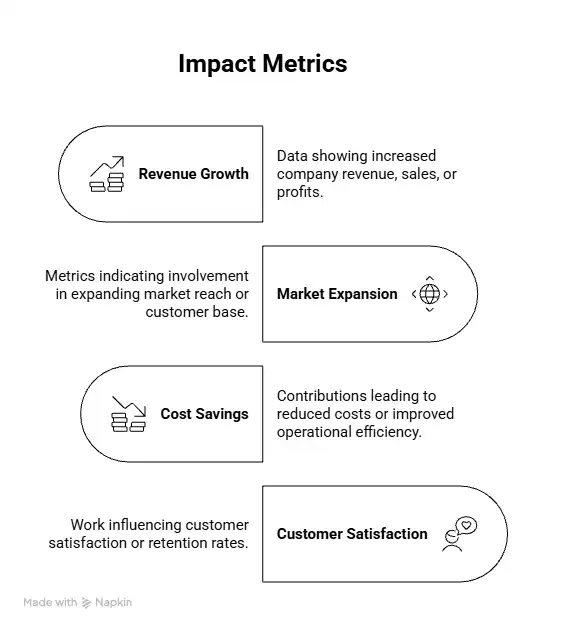
3. Impact Metrics
Quantifiable metrics that demonstrate your impact are among the most persuasive forms of evidence you can provide. These metrics can include:
- Revenue growth: Data that shows how your work helped increase company revenue, sales, or profits.
- Market expansion: Metrics that indicate your involvement in expanding the company’s market reach or customer base.
- Cost savings or efficiency improvements: If your contributions led to reduced costs or improved operational efficiency, include these numbers.
- Customer satisfaction or retention: If your work influenced customer satisfaction or retention rates, these figures will provide a strong case for your critical role.
The more measurable the impact, the stronger your case will be. Always aim to provide as many specific figures as possible to demonstrate your influence.
Case Study: How One Professional Demonstrated Their Critical Role?
Let’s consider a case study of an O-1 applicant who successfully proved their critical role at a prominent global consulting firm.
The Applicant’s Role
The applicant was a senior data scientist who led a team of engineers responsible for developing algorithms that directly impacted the firm’s ability to analyze large-scale data for high-profile clients.
The Evidence Presented
The applicant provided:
- Letters from senior executives at the company outlining the pivotal nature of the applicant’s contributions.
- Documentation of key projects where the applicant’s work led to tangible improvements in client results.
- Media articles that featured the company’s work and specifically mentioned the applicant’s leadership in innovative projects.
- Awards received for outstanding performance in data analytics.
The Outcome
With strong evidence of their critical role, the applicant successfully secured their O-1 visa. The petition highlighted not only the importance of their work but also their unique contribution to a distinguished organization that was at the forefront of data analytics.
What Happens If Your Critical Role Is Not Proven?
Failure to adequately prove your critical role could result in delays or denials of your O-1 visa application. USCIS may issue a Request for Evidence (RFE), asking for additional documentation to support your claim. If you’re unable to provide the necessary evidence, your petition may be denied.
How to Avoid Common Mistakes
- Be Specific: Avoid vague statements like "I was an important part of the team." Instead, provide concrete examples of your contributions and their impact on the organization.
- Provide Sufficient Documentation: Don’t rely solely on one type of evidence. Offer a well-rounded set of documents that reinforce your critical role.
- Consult an Expert: Working with an immigration attorney or consultant who specializes in O-1 visas can help ensure that your petition is as strong as possible.
How Beyond Border Can Help with Your O-1 Visa Application?
Successfully demonstrating your critical role is key to securing an O-1 visa. By providing solid evidence of your indispensable contributions, you can significantly improve your chances of approval. Ensure your documentation is thorough, specific, and well-organized, this is where we come in.
Ready to take the next step in your O-1 visa journey? Schedule your free consultation with Beyond Border today and let us guide you through every stage of your O-1 visa application, ensuring that you present your case with confidence.
Frequently Asked Questions
A critical role refers to a position where your work is essential to the success of the organization. Your contributions must be indispensable, meaning that without your expertise, the organization would struggle to achieve its goals or maintain its operations.
You can prove your critical role by providing strong evidence such as letters of recommendation, performance reviews, project documentation, media coverage, and awards. Additionally, providing measurable impact metrics, like revenue growth or customer satisfaction, can further strengthen your case.
A distinguished organization is one that is highly regarded within its industry for excellence, innovation, or leadership. This could include globally recognized companies, top universities, or prestigious cultural institutions known for their contributions to the field.
If your critical role is not adequately proven, USCIS may issue a Request for Evidence (RFE) or deny your application. It’s essential to submit comprehensive, clear documentation to avoid delays or denials in the approval process.
Beyond Border specializes in guiding applicants through the O-1 visa process by helping gather and organize the necessary documentation. Our team ensures that your petition is strong, aligned with USCIS guidelines, and effectively highlights your critical role and contributions, starting with a free consultation to evaluate your case.