
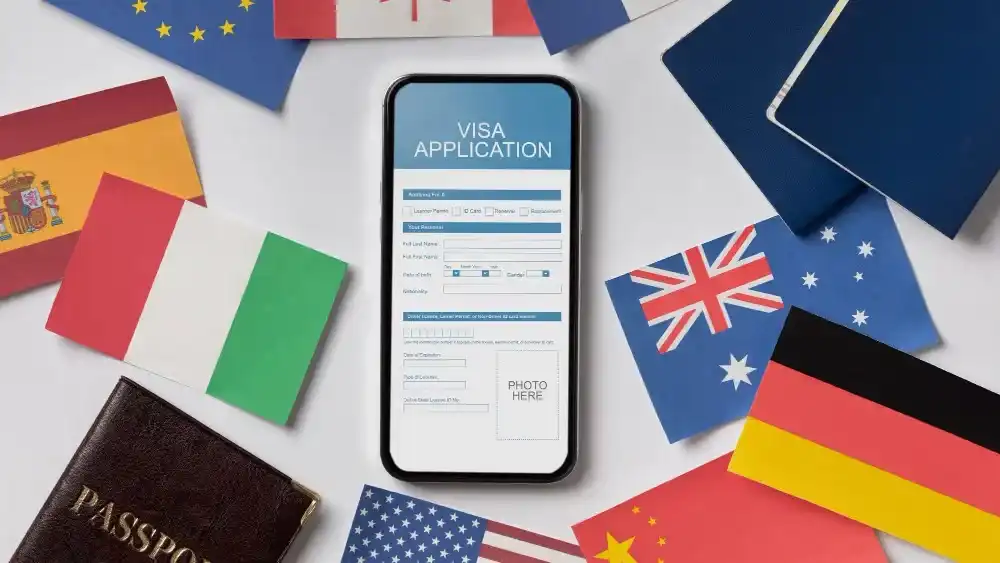
US visa appointment wait times in 2026 are highly unpredictable, ranging from weeks to over a year globally. Major Indian cities average 1.5 to 9.5 months, while Canada can exceed 600 days. Even the UAE sees fluctuations. This variability stems from uneven global demand, limited consular capacity, and stricter screening. U.S. Department of State data confirms significant, frequent changes. Securing a timely appointment now requires a strategic approach, focusing on where and when to apply, rather than simply waiting in one's home country.
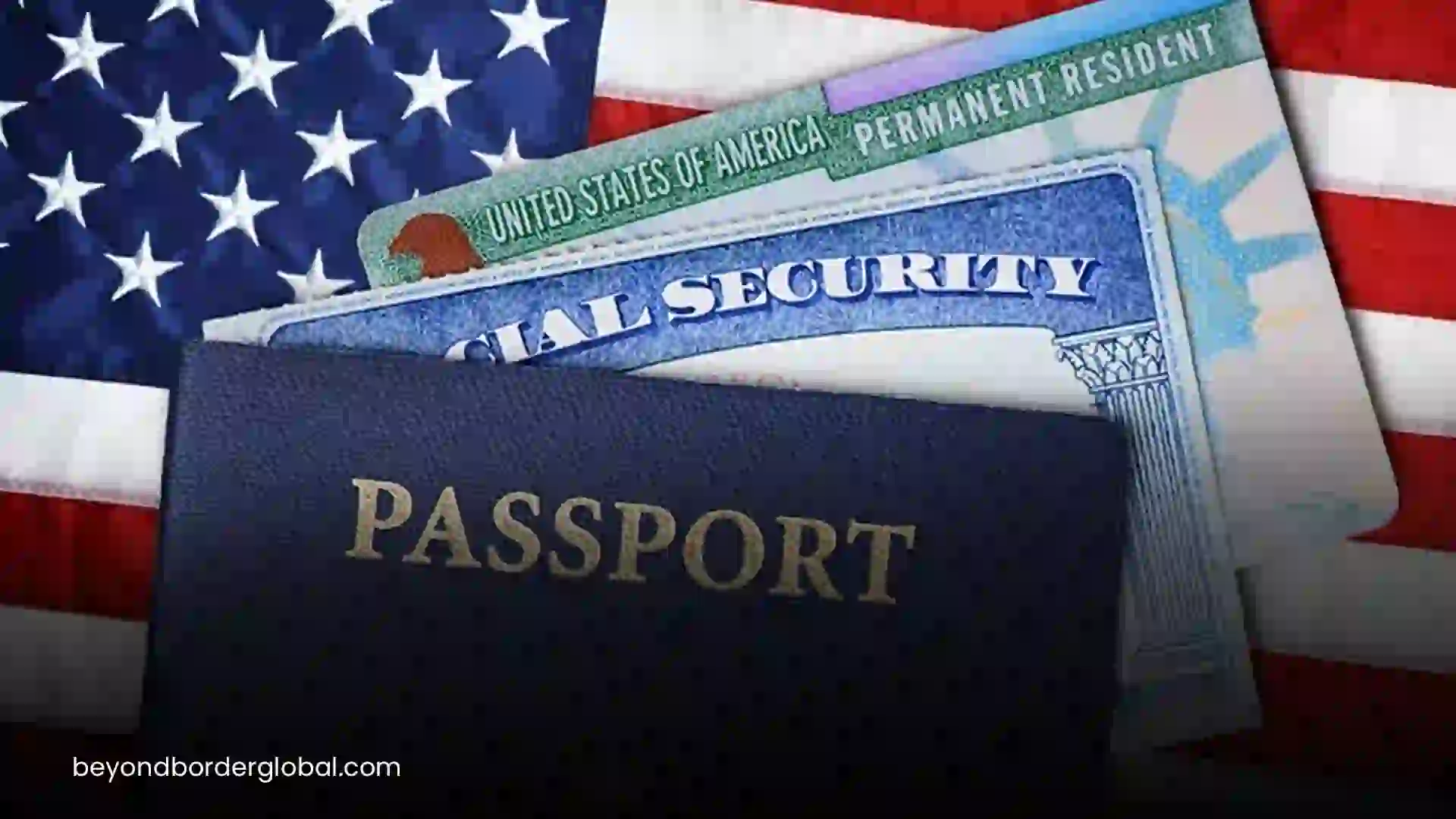
US visa appointment wait times in 2026 vary sharply by country, consulate, and visa category. In practical terms, applicants may face anything from a few weeks to well over a year, depending on where they apply. India remains one of the more backlogged destinations, with wait times often ranging from 2 to 10 months, depending on the city and visa type.
Canada is generally slower, with processing times exceeding 12 to 24 months in some locations, especially for visitor visa appointments. The UAE tends to be more moderate, with timelines ranging from a few weeks to several months, depending on local demand and slot availability.
The main point is simple: there is no single global wait time. Appointment availability changes based on staffing levels, application volume, and how quickly each consulate clears its queue. The U.S. Department of State is the official government department responsible for providing updated visa appointment wait times and policies.
The Department of State's website is the best source for the most current and accurate information on visa appointment wait times and available visa types, as it allows applicants to view this information by category and location.
That is why two applicants seeking the same visa can face very different timelines depending on where they book. For anyone planning travel, work, or relocation, checking current wait times at the consulate is essential before making decisions.
The Department of State regularly updates average interview wait times across major consular posts in India and globally, so applicants should check the official website for the latest estimates.
.webp)
US visa appointment wait times are no longer a minor inconvenience. They are now one of the most important factors shaping travel, business expansion, and immigration strategy.
What used to take a few weeks can now stretch into months or even years, depending on where you apply. This shift has forced applicants to think more strategically, rather than simply applying in their home country and waiting.
The backlog is not just a temporary issue. It reflects a combination of global demand, staffing limitations, and stricter vetting processes. For applicants, this means timing and location decisions have become just as important as eligibility.
The timing of your interview appointment and interview date is a critical factor in the overall visa application process. Applicants who plan ahead and actively monitor appointment availability can often secure an interview sooner than those who wait passively.
Someone applying from a high-demand country may wait a year, while another applicant with the same profile could secure an appointment within weeks simply by choosing a different consulate.
This is where most applicants get it wrong. They assume wait times are fixed and unavoidable. In reality, wait times are highly variable and can be navigated with the right approach. Understanding how these timelines differ across countries is the first step in making a smarter decision.
India continues to experience some of the longest US visa appointment wait times globally, particularly for B-1/B-2 visitor visas. The US Embassy in New Delhi and other consulates across India, such as those in Mumbai, Chennai, Hyderabad, and Kolkata, are the primary locations responsible for visa processing, managing appointment queues, and providing essential services to applicants.
The U.S. Mission to India requires a multi-step process to obtain a visitor visa, including completing Form DS-160, scheduling two appointments, and attending a consular interview.
In 2026, wait times for B1/B2 visa appointments typically range between 1.5 to 10 months, depending on the city and visa category. New Delhi experiences average visitor visa wait times of around 6.5 to 7 months. Chennai currently has the fastest processing times, estimated at approximately 1.5 to 4 months.
Kolkata wait times range from approximately 2.5 to 7 months, while Hyderabad's processing time ranges from approximately 7.5 to 8 months. Mumbai has the longest wait times, ranging from 7 to 10 months.
As of November 20, 2025, the waiting time for U.S. visa appointments in India varies significantly, with estimates ranging from 4.5 months in Hyderabad to 11 months in Mumbai for B1/B2 visas.
Demand in India remains extremely high, driven by tourism, business travel, and a large pool of applicants seeking opportunities in the US. Even with U.S. government efforts to reduce backlogs, the volume of applications continues to outpace the number of available appointments. As a result, applicants who rely solely on local consulates often face significant delays.
For high-skilled professionals, this creates a clear problem. Waiting several months for an appointment can delay job starts, business expansion, or relocation plans. This is why many applicants are now exploring alternative consulates outside India rather than relying on local availability.
Expected wait times for U.S. B1/B2 visitor visa appointments in India currently range from 1.5 to 10 months, depending on the specific consulate location and application demand.
Read our article to learn more about India Wait Time.
Canada currently has some of the longest US visa appointment wait times in the world. In cities such as Toronto and Vancouver, wait times can exceed 12 to 24 months, particularly for visitor visas. This is largely due to high demand combined with limited appointment capacity.
Many applicants assume Canada is a convenient alternative due to its proximity to the United States. In practice, it is often one of the least efficient options in terms of timing. The backlog in Canada has been persistent and shows little sign of immediate resolution.
For applicants with urgent timelines, Canada is generally not a viable option. Choosing to apply there without understanding the wait-time realities can lead to unnecessary delays that extend well beyond a year.
The UAE offers a more balanced scenario, with US visa appointment wait times typically ranging from a few weeks to several months, depending on the visa category and consulate. Cities like Dubai and Abu Dhabi often offer faster access than in high-demand countries like India and Canada.
The UAE has become a strategic alternative for many applicants who can travel and apply from a third country. The combination of relatively shorter wait times and strong consular infrastructure makes it a practical option for those looking to avoid long delays.
However, availability can still fluctuate based on demand. Applicants need to monitor appointment slots actively and be prepared to act quickly when earlier dates become available.
For guidance on how EB-1 and EB-2 wait times interact with priority dates specifically for Indian nationals, our resource on EB-2 visa waiting times by country of chargeability covers the current backlog position and what it means for consular processing timing.
US visa wait times remain long in 2026 because several pressures are affecting the system simultaneously. First, global demand has risen sharply as international travel, business activity, and student mobility have continued to recover, with countries such as India generating especially heavy application volumes.
Second, many consulates still do not have enough appointment capacity to match that demand. Staffing shortages, uneven resource allocation, and local operational constraints mean that some posts move much more slowly than others.
Third, visa screening has become more rigorous in many cases, which can lengthen both scheduling and overall processing. Visa issuance is influenced by national security considerations, screening protocols, and diplomatic engagements between countries, all of which can impact how quickly applications are processed.
The U.S. Department of State, as the responsible department, sets adjudication policies that directly affect processing times. While stricter review may improve security and compliance, it also adds time to an already crowded system. Finally, the backlog created during the pandemic has not fully disappeared.
Although many embassies and consulates have made progress, some are still working through cases that piled up over previous years, especially in high-demand locations. The result is a system where wait times are not determined by a single issue, but by the combination of rising demand, limited capacity, stricter case handling, and an unresolved backlog. That is why applicants continue to see major differences from one country to another, and why delays can still stretch from weeks to many months, depending on where they apply.
Some locations consistently offer faster US visa appointment availability than others, largely driven by one factor: the balance between demand and consular capacity. Countries in Southeast Asia, particularly Thailand and Singapore, are often among the fastest, with appointment slots sometimes available within 2 to 8 weeks. This is not because they process visas differently, but because fewer applicants compete for the same number of interview slots compared to high-demand countries like India or Canada.
Other regions can also present opportunities depending on timing. Certain Middle Eastern locations, including the UAE, periodically release earlier slots due to fluctuations in demand. In some cases, applicants who monitor multiple countries simultaneously can identify short-term windows when availability improves significantly. These windows do not last long, which is why speed and flexibility matter.
However, faster does not automatically mean better. Applying in a third country requires planning. You need to consider entry requirements for that country, travel logistics, and whether the consulate regularly handles third-country nationals. Some consulates are more accustomed to this than others, and that can affect both scheduling and the interview process itself.
The fastest appointment is rarely in your home country, and relying on local availability alone can add months to your timeline. Applicants who treat location as a variable, rather than a fixed constraint, consistently move faster. The advantage goes to those who are willing to compare options across regions, act quickly when availability opens up, and approach the process with flexibility rather than assumptions.
Getting an earlier US visa appointment is rarely about luck. It comes down to understanding how the system works and positioning yourself where demand is lower or flexibility is higher. Most applicants follow the default path, apply in their home country and wait.
That approach often leads to unnecessary delays. Those who move faster usually take a more deliberate approach, combining location strategy, timing, and visa category selection to reduce wait times. Applicants seeking student visas should pay close attention to appointment availability and check the official website regularly for updates, as it is the authoritative source for new slot releases and appointment schedules.
Applying outside your home country is one of the most effective ways to reduce wait times, but it needs to be done carefully. US consulates operate independently, and appointment availability varies widely based on local demand. Countries with lower application volumes or better staffing often release appointments much faster than high-demand locations like India or Canada.
However, this is not as simple as picking the nearest country. Some consulates are more accustomed to processing third-country nationals than others. Locations such as the UAE and parts of Southeast Asia tend to handle such cases more efficiently, while others may scrutinise applications more closely.
You also need to factor in travel costs, visa requirements for entering that country, and the risk that you may need to return for follow-up processing.
The key point is this: applying in another country is not a shortcut; it is a strategy. When done correctly, it can reduce waiting time by months. When done without planning, it can create complications. Applicants who succeed here usually research multiple consulates and move quickly when they identify a faster option.
Visa appointment systems are not static. They change constantly as applicants cancel, reschedule, or fail to appear. This creates small but frequent windows where earlier appointment slots become available. Most people check once, see a long wait time, and stop. That is a mistake.
Consulates often release new slots unpredictably, sometimes in batches and sometimes individually.
Applicants who check regularly, especially at different times of the day, are far more likely to secure earlier dates. In many cases, people manage to move their appointment forward by weeks or even months simply by monitoring consistently.
This requires discipline. There is no guaranteed schedule for when slots open. Some applicants use tools or alerts, while others manually check multiple times a day. The advantage goes to those who treat this as an active process rather than a one-time booking.
Emergency or expedited appointments exist for a reason, but they are often misunderstood. These are not general fast-track options. They are reserved for specific situations such as urgent medical needs, critical business travel, or humanitarian circumstances. Consulates require clear documentation and justification before granting expedited access.
Applicants who qualify can significantly reduce their wait time, sometimes securing appointments within days rather than months. However, misuse or weak justification can lead to rejection, and repeated attempts may weaken credibility.
The important point here is not to rely on this as a primary strategy unless you genuinely meet the criteria. For those who do qualify, it can be one of the most effective ways to bypass long queues. For everyone else, it should be seen as a limited and conditional option.
Many US visa appointment delays are avoidable. One of the most common mistakes applicants make is choosing the most convenient location without comparing wait times across countries or cities. Others book the first available option they see, stop checking for cancellations, or pursue a visa category that does not fit their long-term goals.
These choices may seem minor at first, but they often compound over time, turning manageable delays into much bigger setbacks.This is why appointment wait time should not be viewed in isolation.
The real issue is often strategy. Two applicants with similar goals can end up with completely different timelines depending on where they apply, what visa category they pursue, and how proactively they manage the process.
For founders, executives, and other high-skilled professionals, there may be stronger options available than the standard route they initially consider. Pathways such as the O-1 visa or EB-1 green card can, in the right case, offer a more direct and better-aligned route to working in the United States.
The difference is rarely luck. It is all about planning. At Beyond Border, we help high-skilled professionals and founders assess the fastest and most effective visa pathway based on their profile and goals, not guesswork.
US visa appointment wait times in 2026 range from a few weeks to over 12 months depending on the country and visa type. India averages 2–10 months, Canada can exceed 12–24 months, and UAE varies from weeks to several months. Wait times change frequently based on demand and consular capacity, so applicants should always check current availability before scheduling.
Countries in Southeast Asia and parts of the Middle East often have the fastest US visa appointment availability, sometimes within a few weeks. Applicants who are flexible and willing to apply in another country can significantly reduce their waiting time compared to applying locally.
US visa wait times are long due to high global demand, limited consular capacity, stricter screening processes, and backlogs from previous years. These factors vary by country, which is why wait times differ significantly across locations.
Yes, applicants can apply for a US visa outside their home country, but approval and processing may vary depending on the consulate. Some consulates handle third-country applicants more efficiently than others, so planning is important.
No, Canada currently has some of the longest US visa wait times, often exceeding 12–24 months. Applicants looking for faster appointments should consider alternative locations with lower demand.
You can monitor cancellations, apply in a different country, or request an emergency appointment if eligible. Taking a strategic approach to location and timing can significantly reduce wait times.
No, wait times vary by visa category, with visitor visas often experiencing longer delays than some work or student visas. Choosing the right visa category can impact both appointment availability and overall processing.
Official US visa appointment wait times are published by the U.S. Department of State on their website. These are estimates and may not reflect real-time availability, so applicants should verify regularly.

Camila is the Head of Legal at Beyond Border, where she specializes in O-1, EB-1A and EB2-NIW visas. Camila is an OAB-certified lawyer, with 8 years of relevant US immigration experience. Camila has personally secured approval more than 100 O-1, EB-1A and EB2-NIW cases and maintained a perfect approval track record so far. Camila holds a Master's degree in Law from the Universidade Catolica Portuguesa, and is a sought after voice in the U.S. extraordinary alien visa field in press including Times of India.
Address: 4 W 4th Ave, San Mateo, CA 94402, United States
Email: info@beyondborderglobal.com


