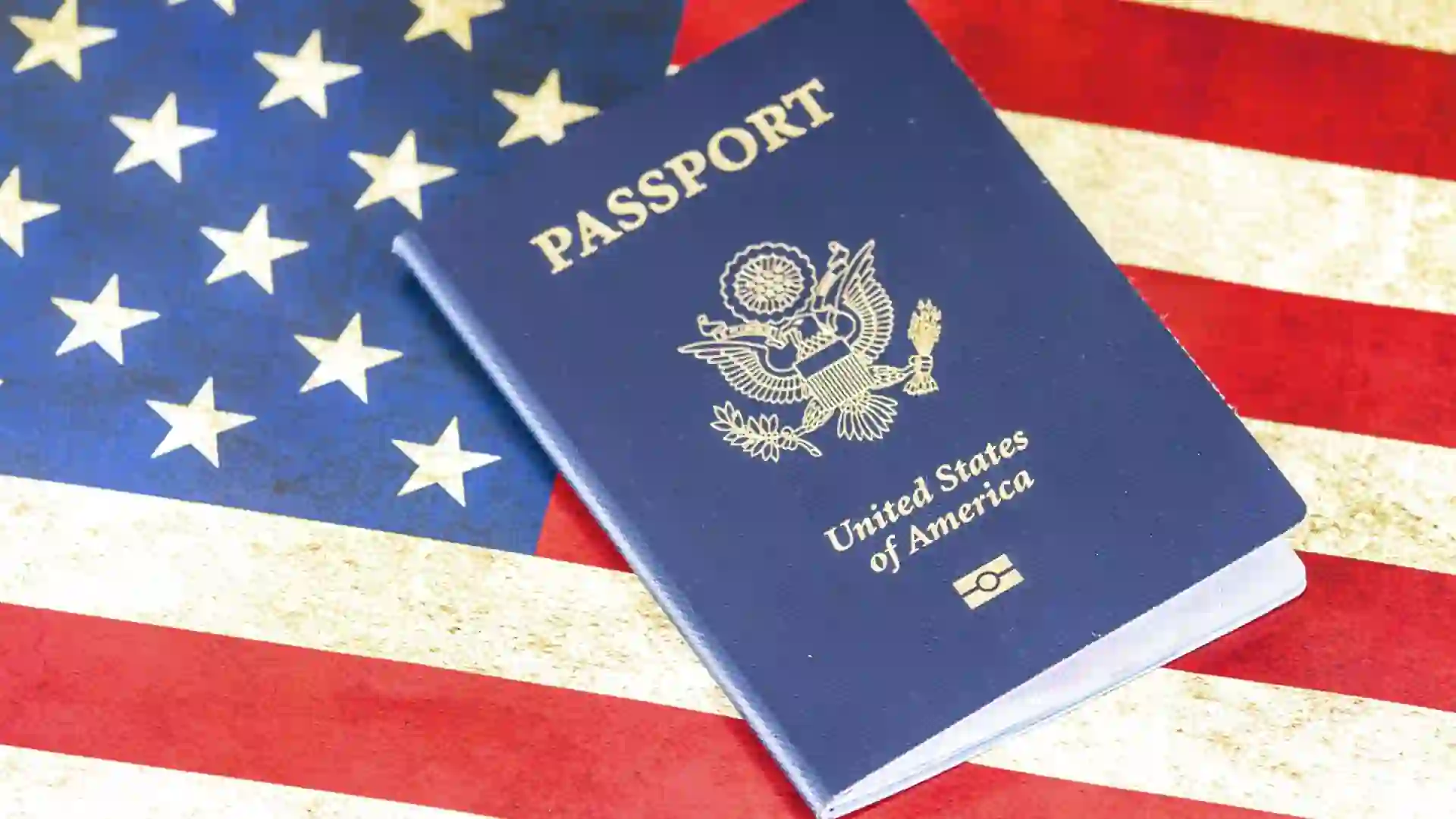
Brazil has produced a strong wave of founders, engineers, fintech leaders, AI professionals, product builders, and startup operators looking toward the U.S. market. For many of them, the question is simple: can their achievements support a U.S. work visa?
The O-1 visa for Brazilian founders can be a strong option when the applicant has evidence of extraordinary ability in business, technology, entrepreneurship, or a related field. Unlike investment-based routes, the O-1 focuses on the person’s achievements, recognition, and proven impact.

Brazilian founders and tech professionals can use the O-1 visa if they can prove extraordinary ability through strong evidence. The O-1 is not limited to researchers, artists, or executives at large companies. It can also work for startup founders, software engineers, AI builders, product leaders, growth professionals, fintech operators, and technical executives.
For a founder, the O-1 visa for Brazilian founders may be especially useful because it does not require a lottery, a specific degree, or a large investment amount. The case is built around achievement.
The O-1 can fit Brazilian entrepreneurs who have built companies, launched products, raised funding, entered accelerators, gained press, built strong user traction, or created technology with market value. It can also help founders who want to expand into the U.S. without relying only on a corporate transfer or investment visa.
The important point is that the applicant’s personal role must be clear. USCIS wants to understand what the founder actually did, not just what the company achieved.
A founder title is helpful, but it is not enough by itself. A weak case says, “I started a company.” A stronger case says, “I built a product used by thousands of customers, led the company’s market expansion, received industry coverage, raised capital, and created measurable business impact.”
That difference matters. The O-1 visa for Brazilian founders depends on evidence, not ambition alone.


Strong O-1 cases are built through documentation, not just job titles. Brazilian founders and tech professionals can use evidence from Brazil, the U.S., or other international markets if it clearly proves recognition and impact. This may include startup traction, revenue growth, user adoption, funding, accelerator selection, press coverage, major partnerships, awards, judging, high compensation, or proof of a critical role at a respected company.
For founders, strong evidence often shows that the applicant personally built or led something important, such as a fintech product, SaaS platform, AI tool, technical system, or market expansion. For tech professionals, evidence may include product launches, infrastructure improvements, open-source adoption, patents, executive letters, or measurable business results. For a deeper breakdown of the strongest evidence categories, see Beyond Borders’ guide on the best O-1 visa criteria.
For Brazilian founders, evidence is only one part of the O-1 strategy. The petitioner structure is just as important because the O-1 is generally not a simple self-sponsored visa. A founder usually needs a valid U.S. petitioner, such as a U.S. company, employer, or agent, with clear documents showing the planned U.S. work, business purpose, and role.
A U.S. startup may petition for the founder if the setup is properly structured, while an agent model may work for founders, consultants, advisors, or senior tech professionals with multiple U.S. projects. Useful evidence may include incorporation records, contracts, investor letters, customer pipeline, business plan, product roadmap, advisory agreements, and proof of U.S. expansion activity. For a deeper breakdown, see Beyond Borders’ guide on how to expand a business to the USA through the O-1 visa.
Brazilian founders often compare the O-1 with L-1, E-2, and EB-1A. The right choice depends on the applicant’s goals, company structure, investment position, and evidence.
The L-1 may work when there is a qualifying foreign company and U.S. company relationship. It often fits founders expanding an existing Brazilian company into the United States.
The O-1 may be better when the applicant’s personal achievements are stronger than the corporate transfer structure. For example, a founder with press, traction, awards, funding, and product impact may have a better O-1 story than an L-1 structure.
The E-2 is investment-driven. It depends on treaty nationality, business ownership, and investment. The O-1 is achievement-driven. This matters because a strong founder may qualify for O-1 even without a large investment amount if the evidence shows recognition and impact.
The EB-1A is a green card category, while the O-1 is a temporary work visa. The EB-1A usually requires a broader long-term evidence strategy. A strong O-1 case can help prepare for a future EB-1A green card, but O-1 approval does not automatically mean EB-1A approval.
Beyond Border helps founders, engineers, executives, and tech professionals assess whether their evidence fits the O-1 standard. This includes reviewing achievements, identifying the strongest criteria, structuring the petitioner model, preparing recommendation letters, and connecting business impact to USCIS expectations.
For Brazilian founders planning U.S. expansion, the right strategy is not just “file fast.” It is to file clearly, with the right evidence and the right structure.
If you are considering the O-1 visa for Brazilian founders, speak with Beyond Border about your profile, evidence, and U.S. plans.
Schedule your free consultation and profile evaluation.
Yes. A Brazilian founder can apply for an O-1 visa if they can show extraordinary ability through strong evidence such as startup traction, press, awards, funding, critical roles, original contributions, judging, or other recognition.
No. Funding is not strictly required. However, funding can help if it shows external validation. A founder without funding may still qualify through revenue, users, press, partnerships, awards, product adoption, or expert recognition.
Yes. A Brazilian software engineer may qualify if they can prove technical impact, original contributions, critical roles, high compensation, judging, publications, press, open-source adoption, or other evidence of recognition in the field.
It depends. L-1 depends heavily on the foreign and U.S. company relationship. O-1 depends more on the founder’s personal achievements. If the applicant has strong recognition but a weaker corporate transfer structure, O-1 may be more suitable.
An O-1 visa does not automatically lead to EB-1A approval. However, the evidence used for a strong O-1 case can often support long-term EB-1A planning if the applicant continues building recognition, impact, and documentation.

Address: 4 W 4th Ave, San Mateo, CA 94402, United States
Email: info@beyondborderglobal.com