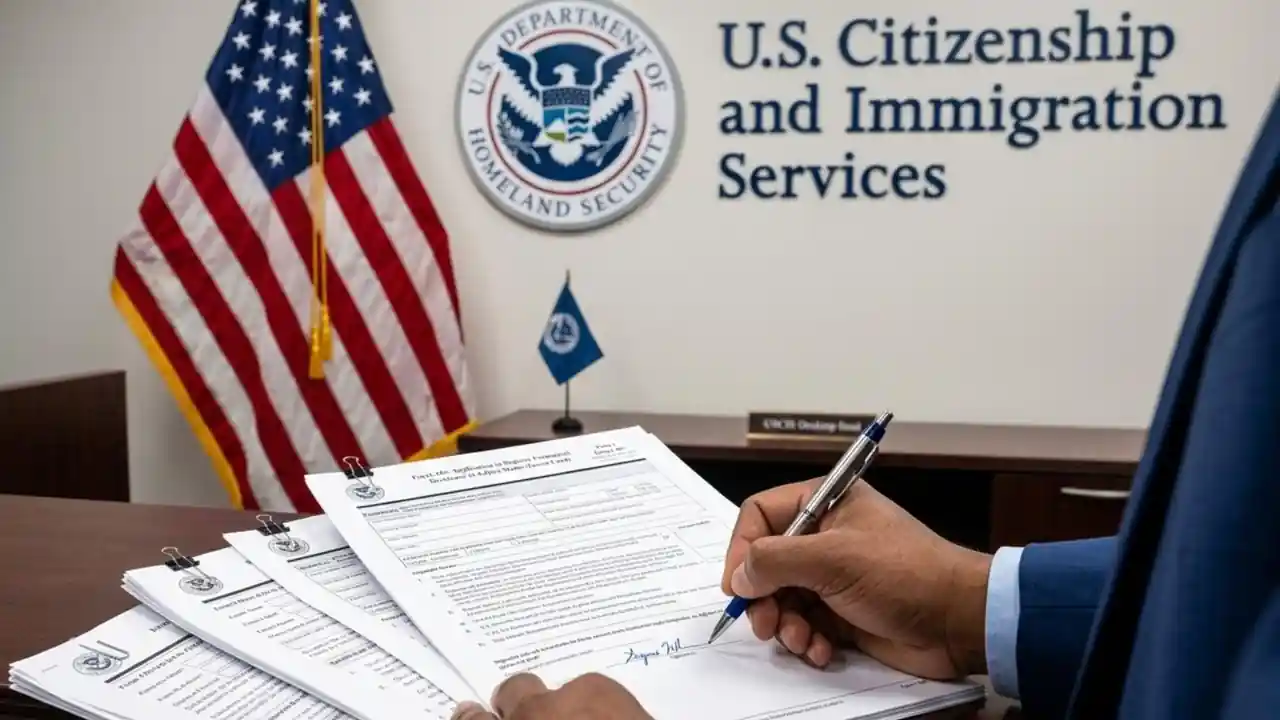
Form I-751 is used to request removal of conditions on a Conditional Green Card. Its adjudication process can take years, so you must file it before the two-year Green Card expires. Beyond Border attorneys have collectively handled 4,000+ immigration cases across employment-based categories. The guidance below reflects USCIS sources verified as of August 2026.
Form I-751 is the petition to remove the two-year condition on a green card. It is mostly used by applicants who obtained green card status through marriage.
A conditional Green Card is valid for two years and remains conditional until USCIS approves the petition. During adjudication, USCIS checks that the marriage was entered into in good faith and not solely to obtain immigration benefits.
If you have a conditional Green Card, you must file Form I-751, which asks USCIS to remove the conditions on your status and grant you a permanent residence card.
Most people file jointly with their spouse or stepparent. But some can file alone, with a waiver, in cases of divorce, abuse, or extreme hardship.
Note: As a conditional resident, you cannot file Form I-90 to replace your card. If you landed in the U.S. looking to renew a 10-year Green Card, our green card renewal guide covers the right form.
As of August 2026, I-751 processing time is 32.5 to 38 months. Essentially, you may have to wait for more than two years for Form I-751 to be adjudicated.
USCIS does not publish a breakdown below by field office. There is no separate figure for the California, Nebraska, Potomac, Texas or Vermont service centers, and none for individual field offices.
Premium processing is not available for Form I-751. You cannot speed up the process. Your best option is to submit a strong petition.
Several factors may influence how long the adjudication process for your case takes
If USCIS requires more information about your marriage, they may issue an RFE. It doesn’t mean that your case has been denied. It just means USCIS can’t decide based on the information it has. RFEs extend the timeline because USCIS has to wait for your response, then review the new evidence.
USCIS approves some I-751 cases without an interview, while others may be required to visit a local field office for an interview. If you need an interview, the timeline extends depending on how quickly your local field office can schedule it.
Amongst other things, your evidence for Form I-751 should prove without doubt that you are in a genuine marriage, and neither of you are trying to evade immigration laws. How clearly you present this evidence will determine if USCIS sees a strong petition. Submit evidence like kids' records, joint tax returns, shared housing, etc. If you don’t provide enough evidence, USCIS will issue an RFE for more details.
USCIS may approve a straightforward joint I-751 petition rather than a waiver-based petition. More importantly, waiver filings in situations with a divorce, abuse, or annulment may require more scrutiny.
Given how long these petitions take, it is common for things in your life to change before your I-751 is approved. You may get a divorce, annulment, change jobs, or move homes. Changes like a pending divorce or annulment require you to update USCIS.
If you are filing jointly with your spouse or stepparent, you must file Form I-751 within the 90-day period before your Green Card expires. Use the USCIS Filing Calculator to check for your filing date from your card’s expiration date.
If a child received conditional resident status the same time as you, or within 90 days, they can be included in your petition. But a child filing a joint petition separately may file at any time, including before the 90-day window opens.
Note: Missing the window is more serious than a late fee. If you do not properly file within the 90 days before your card expires, your conditional permanent resident status automatically terminates. USCIS will notify you that you failed to remove the conditions and will begin removal proceedings by issuing a Notice to Appear.
If you are already past the filing window, submit a written explanation of why the filing is late. USCIS decides whether it was a good cause.
Note: You can request one more waiver provision at a time. When you properly file Form I-751, USCIS issues a receipt notice that extends your conditional permanent resident status and your work authorization for 48 months beyond the expiration date printed on your card.
The law requires a conditional resident to appear for an interview during adjudication of Form I-751. Officers must interview the principal petitioner unless they waive the interview.
An officer may waive the interview if they are satisfied that;
A complete, well-documented petition improves the chance that an officer can decide on the record. But it does not guarantee an interview waiver. Only the adjudicating officer can issue an interview waiver.
Time spent as a conditional permanent resident counts toward the residence requirement for naturalization. I-751 processing time takes up to years, so many spouses of US citizens reach the three-year naturalization eligibility requirement while their petition to remove conditions is still pending.
If a Form N-400 is pending, USCIS adjudicates the Form I-751 before, or at the same time as, the Form N-400. In most cases, a conditional resident must have an approved I-751 before USCIS can naturalize them.
When both are pending, USCIS may review them at a single appointment, commonly called a “combo interview.”
Beyond Border attorneys have collectively handled 4,000+ immigration cases and can tell you which visa option is right for you. Our team knows how to compile a strong petition with thorough evidence, ensuring a seamless process when you’re ready to file. Schedule a free case assessment and get an honest evaluation of your file.
As of August 2026, processing Form I-751 takes 32.5 months at a service center and 38 months for petitions handled by a field office. These timelines describe the time taken to complete 80% of cases.
There is no reliable relationship between the two. Biometrics is an early administrative step for background checks, and the wait between biometrics and a decision accounts for nearly the entire timeline. A transfer notice, an interview notice, or a Request for Evidence tells you far more about your case than the biometrics appointment does.
It’s likely because your friend was scheduled for an interview, while you weren’t. Interviews transfer the petition from a service center to a local office, which adds an extra 5 months to the timeline.
Yes. Your receipt notice extends both your permanent resident status and work authorization for 48 months beyond the expiration date on your card.
There is no automatic second notice. You will need to contact USCIS to request further evidence.
No. An officer may waive the interview if the record contains sufficient evidence that the marriage was entered into in good faith and not to evade immigration laws.

Address: 4 W 4th Ave, San Mateo, CA 94402, United States
Email: info@beyondborderglobal.com