After receiving approval for your EB-1 or EB-2 visa, the next crucial step in the immigration process is filing Form I-485, the Application to Register Permanent Residence or Adjust Status. The I-485 timeline can vary significantly depending on various factors, including the applicant's category and the service center processing the case.
In this guide, we will break down the I-485 process for EB-1 and EB-2 applicants in 2025-2026, focusing on key stages such as biometrics, the interview process, and overall processing times. Whether you're a foreign national looking to adjust your status or a legal professional helping clients through the process, understanding these stages is essential for a smooth transition to lawful permanent residency in the U.S.
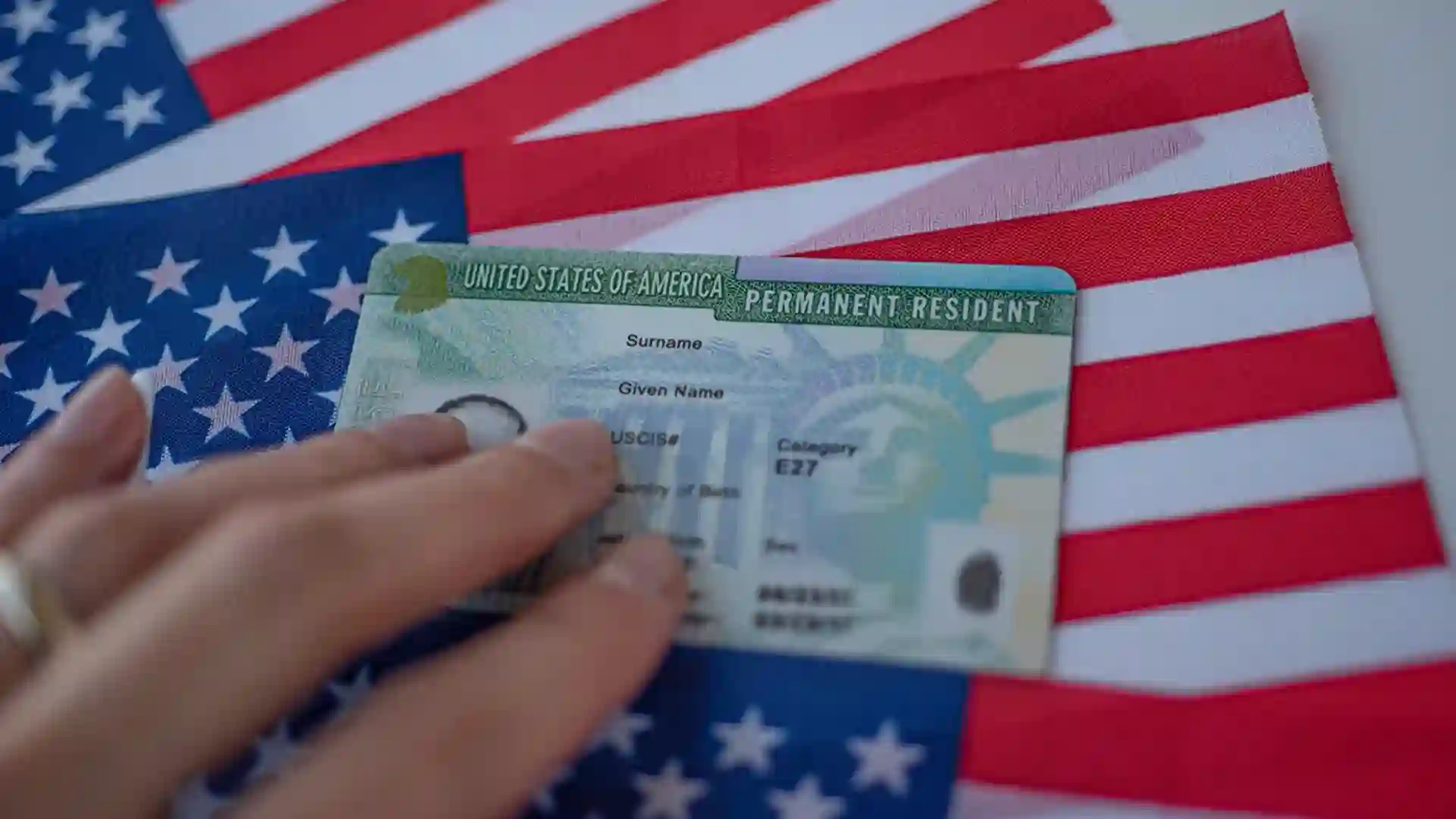
The I-485 timeline for EB-1 and EB-2 applicants is a critical phase in the green card process, with distinct stages that must be completed before final approval. After receiving approval for your EB-1 or EB-2 petition, the next step is to file Form I-485, which begins the adjustment of status process. This form allows foreign nationals already in the U.S. to apply for lawful permanent residency without having to return to their home country. The timeline for this process can vary depending on factors such as the applicant's country of origin, service center processing times, and any additional documentation or evidence required. Understanding each step of the process, from biometrics to the final interview, helps applicants prepare for the next stage and ensures a smoother path to permanent residency.
After EB-1 or EB-2 approval, the I-485 process typically takes anywhere from 10 to 36 months, depending on various factors such as service center workload and the complexity of the case. Applicants should expect to undergo several stages, including biometrics, background checks, and the required interview before receiving approval. For applicants from high-demand countries like India or China, there may be additional delays due to backlogs. Understanding these processing times is crucial for managing expectations and planning ahead. USCIS updates processing times regularly, and applicants can monitor their case status through the USCIS online portal for the most up-to-date information.
Biometrics is one of the first steps in the I-485 process after EB-1 or EB-2 approval. Biometrics appointments typically occur within a few weeks after submitting the I-485 application. During this appointment, USCIS will collect fingerprints, photos, and signatures for background checks and identity verification. The results of the biometric screening help ensure that the applicant does not have any criminal history or other security-related issues that would disqualify them from receiving permanent residency. While biometrics appointments are typically straightforward, delays can occur if there are discrepancies or issues with an applicant's personal information, so it’s important to stay on top of notifications from USCIS and attend the appointment as scheduled.
Need help navigating the I-485 process? Schedule your free consultation today with our expert team.
While both EB-1 and EB-2 visa categories offer pathways to permanent residency in the United States, the I-485 timeline can vary between the two depending on several key factors. These differences primarily stem from eligibility criteria, priority dates, and the level of demand in each category. EB-1 applicants, who are typically individuals with extraordinary abilities or multinational executives, may experience faster processing times due to the higher priority of the EB-1 category, which often remains current for most countries. In contrast, EB-2 applicants, especially those from countries with high demand such as India and China, may face longer wait times due to backlogs, particularly in the EB-2 India category. Understanding these distinctions is essential for setting expectations and preparing for potential delays.
The main difference between EB-1 and EB-2 processing times lies in the demand and priority dates associated with each category. EB-1 applicants generally benefit from shorter processing times because the EB-1 category is usually current in the Visa Bulletin, meaning there is no significant backlog. This allows for quicker progression through the I-485 process. However, EB-2 applicants, particularly those from high-demand countries, may face substantial delays due to the backlog in the EB-2 category. For example, applicants from India may experience wait times exceeding 10 years before their priority date becomes current, which impacts the timeline for filing the I-485. Additionally, while both categories follow similar steps, the approval timeline for EB-2 applicants is often more dependent on visa bulletin movement, making it crucial for applicants to stay updated on priority date changes.

The I-485 interview is a pivotal step in the adjustment of status process for both EB-1 and EB-2 applicants. This interview is typically scheduled after the applicant’s biometrics and background checks are completed, and it is a critical opportunity for USCIS officers to verify the applicant’s eligibility for permanent residency. During the interview, applicants will be asked questions about their application, their immigration history, and their background. While some applicants may be eligible for an interview waiver, most will need to attend the interview as part of the I-485 process. Understanding what to expect during the I-485 interview and how it differs for EB-1 and EB-2 applicants can help alleviate any stress and ensure a smoother process.
In 2025-2026, the USCIS interview process remains largely unchanged, but applicants should be aware of evolving policies and procedural updates. The interview itself typically involves a review of the applicant’s personal and professional history, as well as any supporting documents submitted with the application. For EB-1 applicants, who are often applying based on extraordinary abilities or multinational executive roles, the questions may focus more on the applicant’s professional background and contributions. For EB-2 applicants, particularly those applying under the National Interest Waiver (NIW), the interview may center around the applicant’s work and its national importance. Proper preparation and understanding of the interview process can greatly impact the outcome and help applicants navigate this final stage successfully.
While the I-485 interview is generally a straightforward process, applicants should be prepared for potential delays. These delays can arise due to several factors, such as missing documentation, additional background checks, or complex cases that require further review. For instance, if USCIS requests further evidence or if there are discrepancies in an applicant’s record, the interview may be postponed or rescheduled. Moreover, some cases require deeper investigation due to security checks, which can take time. Delays can also occur if the service center is experiencing a high volume of applications, leading to longer wait times.
Applicants should closely monitor any communications from USCIS and ensure that they respond promptly to requests for additional information. Additionally, staying on top of case status updates through the USCIS portal can help prevent unnecessary delays. If you encounter delays or issues, it’s advisable to consult with an immigration lawyer to ensure that your documents are in order and that your case is progressing smoothly.
The I-485 processing time can vary significantly based on the USCIS service center handling your case. Each service center across the U.S. processes applications at different speeds, and the workload at a specific center can directly impact how quickly an application is processed. For instance, service centers in areas with high demand, such as California or Texas, often experience longer processing times due to the volume of applications they receive. In contrast, centers in less populated areas may process applications more quickly, though delays can still happen due to occasional staffing shortages or changes in policy.
It’s important for applicants to check the current processing times on the USCIS website to get an estimate of how long their application might take. Additionally, applicants can track their case status online using the USCIS case status tool, allowing them to stay updated on any developments or requests. Knowing the service center's typical processing time can help set realistic expectations and enable better planning for the overall I-485 process.
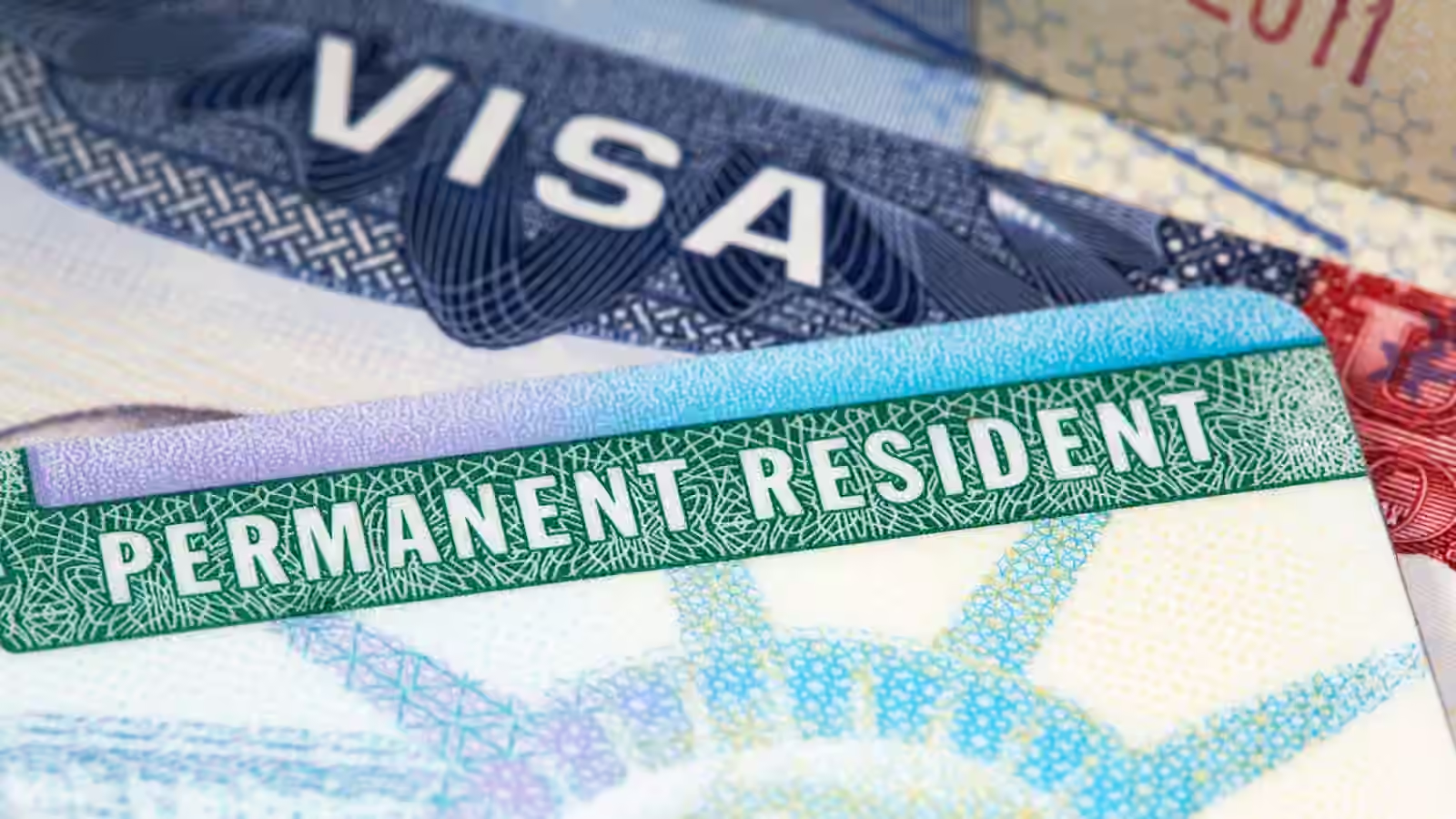
Once your I-485 application is approved, you will officially become a lawful permanent resident of the U.S. USCIS will send you your green card (Permanent Resident Card), which serves as proof of your status. This card is typically mailed within a few weeks of approval. Additionally, applicants should be aware that, while the green card grants permanent residency, it does not necessarily allow for U.S. citizenship, which requires a separate process. To maintain your permanent resident status, you must comply with residency requirements and renew your green card as necessary.
Once your I-485 application is approved, you will officially become a lawful permanent resident (LPR) of the United States. The next step in the process is the issuance of your green card, also known as the Permanent Resident Card, which serves as proof of your legal status in the U.S. Typically, USCIS will mail the green card to the applicant’s address within a few weeks after approval. It’s important to note that while the green card grants permanent residency, it doesn’t automatically lead to U.S. citizenship. To become a U.S. citizen, you must go through the naturalization process, which requires meeting residency and other eligibility requirements.
To maintain permanent resident status, green card holders must comply with residency requirements and avoid actions that could jeopardize their status, such as committing certain crimes or staying outside the U.S. for extended periods. Green cards are valid for 10 years and must be renewed, so it’s crucial to keep track of your renewal timeline and follow all necessary procedures to ensure that your status remains valid.
Need help navigating the I-485 process? You are one step forward to get your EB-1 or EB-2 Visa Approval. Schedule your free consultation today with our expert team.
The I-485 process typically takes anywhere from 10 to 36 months, depending on factors like service center workload and country of origin. Applicants from high-demand countries like India and China may experience longer wait times due to visa backlogs.
During the biometrics appointment, USCIS will collect fingerprints, photographs, and signatures to perform background checks. This is one of the first steps in the I-485 process after your petition is approved. It’s important to attend the appointment on the scheduled date to avoid delays.
Most I-485 applicants will be required to attend an interview with USCIS. However, some applicants may be eligible for an interview waiver, particularly if their case is straightforward. If an interview is scheduled, applicants should be prepared to answer questions about their background, application, and immigration history.
Common reasons for delays include missing or incomplete documentation, additional background checks, or a case requiring further review. Applicants should regularly check their case status and respond promptly to any USCIS requests to avoid unnecessary delays.
EB-1 applicants generally experience faster processing times as the EB-1 category is typically current in the Visa Bulletin. In contrast, EB-2 applicants, especially those from high-demand countries like India, may face longer delays due to backlogs and visa bulletin movements.
After approval, you will become a lawful permanent resident (LPR) of the U.S. and will receive your green card. This card serves as proof of your status in the U.S. However, permanent residency does not automatically lead to U.S. citizenship, which requires a separate naturalization process. Be sure to maintain your LPR status by following all legal requirements and renewing your green card as needed.
Yes, you can check your I-485 case status online through the USCIS website. USCIS provides a case status tool that allows applicants to track their application and receive updates on any progress or required actions.


Address: 4 W 4th Ave, San Mateo, CA 94402, United States
Email: info@beyondborderglobal.com