Form Your Business in the U.S From Anywhere. Required for U.S. visa sponsorship.
2
Visa
We specialise in long term Founder visas from stealth, YC, to growth stage companies. 98% approval rate
3
Banking
Hassle Free U.S. banking with a startup friendly digital bank. Powered by Aspire.
Thank you! Your submission has been received!
Oops! Something went wrong while submitting the form.
Beyond Border understands technologists
Went through their O-1 process. Tech domain knowledge is deep. Told me straight up that it’s rare to find a full fledged HRIS platform for SEA - translated really well into my petition.
EB-2 NIW Requirements for Solar Energy Engineers in Germany
Discover how solar energy engineers in Germany qualify for EB-2 NIW requirements. Learn about renewable energy expertise, NIW for engineers criteria, and application steps for this self-petition green card pathway.
Get a free audit of your U.S. visa chances
Our immigration experts analyse your background and recommend the best U.S. visa pathways.
Key Takeaways About EB-2 NIW for Solar Energy Engineers in Germany:
»
EB-2 NIW requirements allow solar energy engineers from Germany to self-petition for US green cards without employer sponsorship by proving renewable energy work serves American climate and energy security interests.
»
Solar energy engineers need either a master's degree or bachelor's plus five years progressive experience, combined with proof that photovoltaic work has substantial merit and national importance.
»
NIW for engineers in solar fields from Germany have strong cases because German renewable energy training emphasizes precision engineering and sustainable design that American clean energy transitions desperately need.
»
Strong national importance arguments include designing efficient photovoltaic systems, developing energy storage solutions, optimizing solar installation methods, advancing grid integration technology, and reducing renewable energy costs.
»
Evidence packages require detailed project documentation with measurable efficiency improvements, five to eight expert recommendation letters from renewable energy professionals, publications or patents, and comprehensive statements explaining national importance.
»
Processing takes 18 to 30 months total from filing to green card with costs ranging from $6,000 to $16,000 including government fees around $1,000 and attorney fees of $5,000 to $15,000.
Understanding EB-2 NIW for Solar Energy Engineers in Germany
America needs renewable energy expertise. Germany has it.
Germany is rapidly expanding its renewable energy sector as part of its Energiewende strategy, with plans to phase out coal by 2038. This creates a deep pool of solar engineering talent trained in world-leading renewable energy systems.
The EB-2 NIW requirements recognize that certain professionals provide such critical value that requiring them to find US employers first actually delays urgent national priorities like climate action and energy independence.
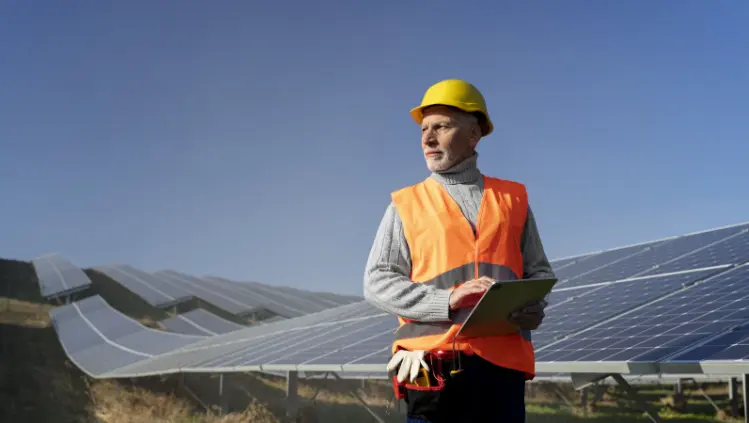
You're working as a solar energy engineer in Germany right now. You've designed photovoltaic systems for major installations. You've optimized solar panel efficiency for European projects. You've developed energy storage solutions integrating renewable sources into existing grids.
American clean energy companies desperately need exactly these skills. The US government invested billions in renewable infrastructure through recent climate legislation, creating massive demand for solar engineering expertise.
The NIW for engineers in solar fields lets you apply directly for permanent residency without waiting for job offers. You demonstrate your renewable energy expertise serves national interests through climate mitigation, energy security, and technological innovation.
Ready to explore your EB-2 NIW eligibility as a solar energy engineer from Germany? Book a consultation with Beyond Border and discover if your renewable energy background qualifies for this streamlined green card path.
What Makes German Solar Energy Experience Valuable
German solar engineering training stands among the world's best. The country's Energiewende transformed Germany into a renewable energy laboratory where engineers tackled challenges other nations now face.
Germany faces a shortage of around 216,000 skilled workers needed for the expansion of the solar and wind energy sectors, yet still produces highly trained professionals whose expertise translates perfectly to American needs.
Solar energy engineers from Germany understand both technical excellence and practical implementation. You've worked with strict European efficiency standards. You've navigated complex grid integration requirements. You've balanced renewable intermittency challenges with energy storage solutions.
Companies like BayWa r.e., Siemens Gamesa, and RWE provide German engineers with exposure to large-scale projects that American renewable developers need replicated domestically. Your experience designing commercial and industrial solar installations, optimizing photovoltaic performance, or developing battery storage systems addresses critical US infrastructure priorities.
Frame your German solar engineering background as an asset enhancing your ability to serve American energy interests, not just equivalent experience.
Basic EB-2 Requirements Before the Waiver
Before arguing for the national interest waiver, you must qualify for the underlying EB-2 category.
Two paths exist.
Path One: Advanced Degree
You hold a master's degree or higher in electrical engineering, renewable energy, mechanical engineering, or related fields. German universities produce graduates whose degrees immigration officers respect.
Alternatively, a bachelor's degree plus five years of progressive experience in solar engineering counts as equivalent. Those five years must show increasing responsibility designing photovoltaic systems, optimizing renewable installations, or developing energy storage solutions.
Path Two: Exceptional Ability
You demonstrate expertise significantly above the norm through at least three criteria including academic records, ten years of experience, professional licenses, high salary, professional association memberships like IEEE or German renewable energy organizations, or peer recognition for achievements.
Most solar energy engineers use the advanced degree route because German technical education provides clear documentation. Your diplomas establish qualifications immediately.
Once you satisfy basic EB-2 NIW requirements, then you build arguments for waiving the job offer requirement.
Let Beyond Border evaluate which EB-2 path works best for your solar engineering background and career timeline.
The Three Prong Test Solar Engineers Must Pass
Immigration officers evaluate NIW for engineers' petitions using the Matter of Dhanasar framework. You must satisfy three distinct requirements.
Prong One: Substantial Merit and National Importance
Your solar engineering work must matter beyond just generating electricity. It needs broader national impact addressing climate change, energy security, and economic competitiveness.
Strong arguments include designing next-generation photovoltaic systems increasing conversion efficiency. Developing energy storage solutions solving renewable intermittency challenges. Creating smart grid integration technology enabling higher solar penetration. Reducing installation costs making clean energy economically accessible.
Be specific. Don't claim you "work on solar energy generally." Explain exactly which efficiency barriers you've overcome, what cost reductions you've achieved, and how American energy systems benefit from your innovations.
Prong Two: Well Positioned to Advance the Work
This means proving you actually have skills and a track record to deliver results.
Document successful solar projects where you designed systems, optimized performance, solved technical challenges, or achieved measurable improvements. Gather metrics showing efficiency gains, cost reductions, or installation time improvements you've delivered in Germany.
Publications in renewable energy journals, patents on photovoltaic technology, or conference presentations strengthen cases significantly. Professional certifications or specialized training in solar systems, energy storage, or grid integration demonstrate continued expertise development.
Prong Three: Waiving Job Offers Benefits America
This final requirement asks why America gains more by letting you in quickly without labor certification bureaucracy.
Solar technology advances rapidly and America can't wait months for labor market testing while missing climate targets. Your specialized German training in areas like perovskite solar cells, advanced inverter technology, or large-scale energy storage fills gaps American workers may lack.
You might plan to work on multiple renewable energy projects benefiting different communities rather than serving one employer. Show that requiring a specific job offer would limit your contributions to American energy innovation.
Building Your Evidence Package
The EB-2 NIW requirements petition succeeds or fails based on documentation quality.
Start with educational credentials. Diplomas showing your engineering degrees from German universities. Transcripts proving coursework in renewable energy, photovoltaics, and power systems. Degree evaluations from approved services if needed.
Next, compile proof of solar engineering accomplishments. Detailed project summaries showing photovoltaic systems you've designed or optimized in Germany. Before and after metrics demonstrating efficiency improvements. Technical specifications illustrating innovations you've developed.
You need five to eight recommendation letters from solar industry experts, ideally some American professionals who can vouch for your work's importance to US renewable energy goals. Letters should explain specific contributions you made to solar technology, energy storage, or grid integration and why those contributions matter nationally.
Publications strengthen cases enormously. Research papers on solar technology advances. Articles explaining efficiency improvements. Patents on photovoltaic innovations or energy storage solutions you developed in Germany.
Finally, create a comprehensive personal statement explaining how your future solar engineering work will benefit America. This statement ties everything together, connecting your German expertise to US climate and energy priorities.
Navigate evidence gathering complexity with Beyond Border's experienced immigration team. We'll help you compile compelling documentation that meets USCIS standards for renewable energy petitions.
The Application Process and Timeline
Filing a NIW for engineers petition involves several stages.
You gather documentation into a comprehensive package including Form I-140, supporting documents, expert letters, and your personal statement. Most strong packages run 150 to 250 pages. Budget two to three months for evidence compilation if you're organized.
You submit everything to USCIS with filing fees around $1,000. Processing times vary from 12 to 24 months depending on which service center handles your case. Premium processing reduces initial review to 45 days but isn't always available.
USCIS may issue a Request for Evidence asking for additional documentation. This isn't rejection but an opportunity to strengthen arguments. Respond thoroughly within 87 days.
Once USCIS approves your I-140 petition, next steps depend on location. If you're in Germany, you go through consular processing at the US Embassy in Berlin or Frankfurt.
The entire journey from filing to green card typically takes 18 to 30 months for solar energy engineers applying from Germany.
Common Mistakes and How to Avoid Them
Generic documentation kills cases. Immigration officers need specific details showing exactly what you design and why it matters. Vague claims about "improving solar energy" fail. Explain precisely which efficiency barriers you've overcome in German projects, what percentage improvements you've achieved, and how these advances impact American renewable energy adoption.
Weak expert letters add minimal value. You need detailed testimonials from recognized solar industry authorities who can speak credibly about your contributions and their national importance to US climate goals.
Ignoring national importance arguments hurts applications. Connect your solar engineering expertise directly to US climate goals, energy security priorities, and infrastructure investment programs targeting renewable expansion.
Poor organization frustrates reviewers. Professional formatting and logical flow matter enormously for approval chances.
DIY approaches increase failure risk. The EB-2 NIW requirements are complex. Working with experienced immigration attorneys dramatically improves success rates.
Avoid costly mistakes by partnering with Beyond Border from day one. Our renewable energy-focused immigration specialists understand exactly what USCIS looks for in solar engineering petitions.
FAQ
What are EB-2 NIW requirements for solar energy engineers from Germany?
EB-2 NIW requirements include either a master's degree or bachelor's plus five years progressive experience, proof that solar work has substantial merit and national importance addressing US climate goals, evidence of being well positioned through past German projects, and demonstration that waiving job offers benefits America.
Do German solar engineers have advantages for NIW for engineers?
Yes, German solar energy engineers have strong advantages because Germany's Energiewende created world-leading renewable energy expertise, with training in precision engineering, grid integration, and sustainable design that American clean energy transitions desperately need for infrastructure modernization.
What documents do solar energy engineers need for EB-2 NIW?
You need German degrees or experience proof, detailed solar project descriptions with efficiency metrics from installations, five to eight expert recommendation letters from renewable energy professionals, publications or patents on photovoltaic technology, and comprehensive statements explaining how your work advances American climate priorities.
How long does EB-2 NIW processing take for German solar engineers?
Processing takes 12 to 24 months for I-140 approval depending on the service center, followed by consular processing at the US Embassy in Germany adding 6 to 12 months, meaning the total timeline averages 18 to 30 months from filing to green card.
Why do German solar engineers have strong EB-2 NIW cases?
German solar energy engineers have strong cases because Germany's renewable energy leadership created specialized expertise in photovoltaic systems, energy storage, and grid integration that directly serves US climate goals, with USCIS prioritizing renewable energy technology in critical areas making substantial merit straightforward to demonstrate.
Struggling with your U.S. visa process? We can help.
.png)