Learn if electrical engineers in Germany qualify for EB-2 NIW. Complete guide to EB qualification requirements, application process, and how engineers prove national importance.
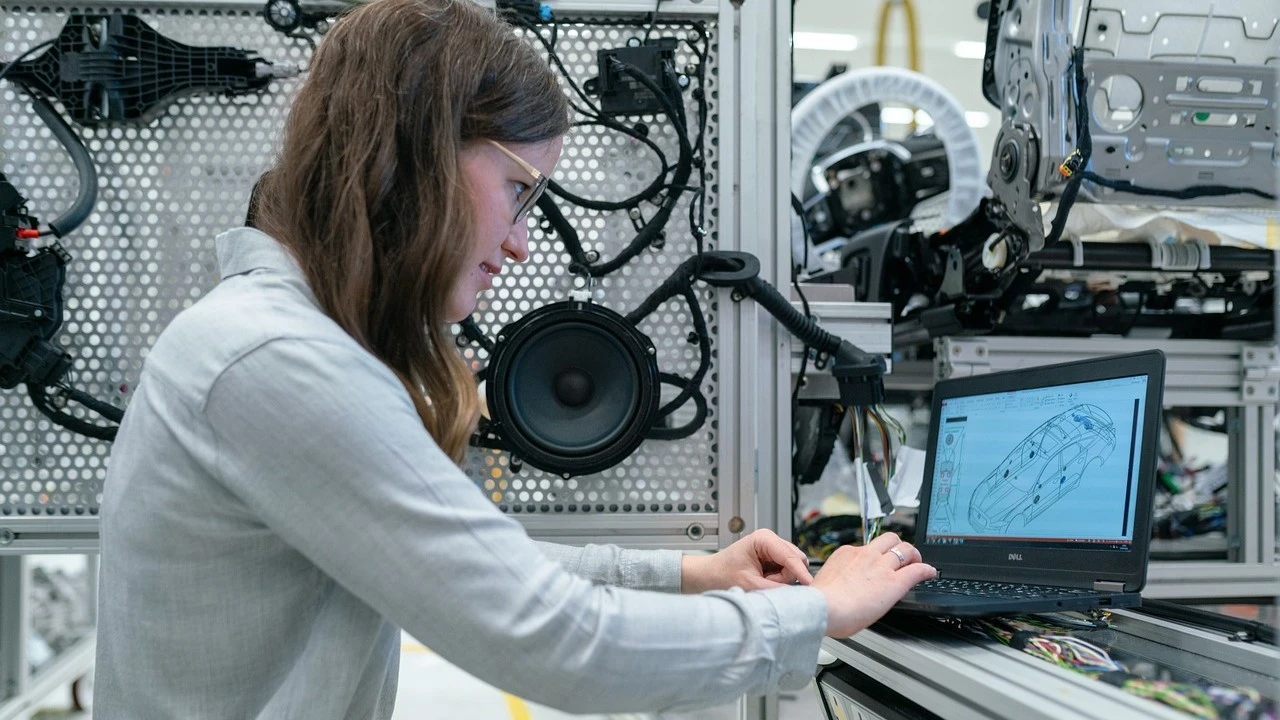
Yes. Absolutely. Germany produces world class electrical engineers.Since so many things today are powered by electricity, the field of electrical engineering is also very broad in its reach. Power generation. Grid management. Renewable energy systems. Semiconductor design. Communication networks. Your expertise touches everything.
The electrical engineer's German background provides unique advantages. German engineering education is rigorous. Standards are high. Companies like Siemens, Bosch, and countless innovative firms operate at global scale. Experience with European power systems, strict safety regulations, and cutting edge renewable technology translates directly to American needs.
The EB-2 NIW engineer pathway exists for professionals like you. No employer sponsorship required. No waiting for job offers. You apply yourself by proving your electrical engineering work benefits America.Think about America's energy challenges. The power grid needs modernization. Renewable energy requires expansion. Electric vehicle infrastructure demands development. Semiconductor manufacturing is returning domestically. Somebody needs to design and implement these systems. Why not you?
Beyond aviation, several engineering disciplines face significant shortages including electrical engineers for power grid upgrades and renewable energy demonstrating clear demand for qualified professionals with your background.Ready to explore if you qualify for EB-2 NIW? Book a consultation with Beyond Border today and we'll evaluate your electrical engineering experience and technical portfolio.
Before discussing the waiver, you must meet foundational EB-2 standards. Two pathways exist.The advanced degree route works well for most electrical engineers. You hold an advanced degree which usually means a US masters degree, PhD, or an equivalent degree from a foreign institution, or alternatively, a US bachelors degree combined with at least five years of progressive work experience in your specialized technical field after earning the bachelor's degree.
Your masters in electrical engineering from a German university qualifies. If you have a bachelors in electrical engineering plus six years working your way up, that works too.The exceptional ability route provides an alternative. You need to demonstrate expertise significantly above what is normally encountered in your field with at least three of six regulatory criteria and a final merits determination showing exceptional ability.A software engineer might join the Institute of Electrical and Electronic Engineers demonstrating professional membership and peer recognition.
Most EB-2 NIW engineers meet these requirements through their German engineering education, professional certifications, and career progression from entry level to senior technical positions.An advanced degree alone is not enough as the occupation associated with the proposed endeavor must be a profession that typically requires at least a bachelor's degree. Electrical engineering clearly qualifies. Nobody designs power systems without engineering education.
Your electrical engineer's German background provides unique advantages. Germany leads Europe in engineering excellence and renewable energy development.German electrical engineers work with sophisticated systems. Experience with European power grids demonstrates you understand complex networks. Work with renewable energy shows expertise in wind, solar, and storage systems. Knowledge of strict German safety standards proves you prioritize reliability.
Major German companies like Siemens operate globally. Bosch develops cutting edge technology. Countless innovative firms push boundaries. If you worked for these enterprises, you operated at world class levels.Germany's energy transition provides valuable experience. The country invested heavily in renewable energy infrastructure. You likely worked on grid integration, energy storage, or smart grid technology. This experience directly applies to American clean energy goals.
German engineering education is rigorous. Universities emphasize fundamentals. Standards are high. This background demonstrates the strong technical foundation valued by USCIS.Your combination of German education, European project experience, and understanding of modern power systems strengthens your positioning significantly.
Documentation determines success. Each element must be supported by credible and well organized documentation with USCIS applying a totality of the evidence approach.Start with your curriculum vitae. List all major projects chronologically. Include systems designed. Document companies served. Show career progression from entry level engineer to senior technical specialist. Make it comprehensive.
Gather technical documentation. Engineers and data scientists need specialized approaches to presenting EB-2 NIW evidence engineers data scientists can leverage effectively with challenges documenting achievements that may be confidential or not publicly visible while still proving substantial merit and national importance to USCIS.
Patents represent particularly strong technical achievements NIW evidence for engineers and data scientists with a granted US patent proving multiple things simultaneously including that your invention was novel enough for the USPTO to approve it.Get recommendation letters from industry leaders. Have senior electrical engineers, power systems experts, renewable energy consultants, or infrastructure specialists write detailed letters explaining your contributions.
Each letter should be 2 to 4 pages detailing specific projects, explaining technical challenges you solved, demonstrating national importance, and validating your positioning.Worried about proprietary project information? Beyond Border helps electrical engineers document achievements while respecting confidentiality and employer NDAs.
Real cases help you understand what works.On March 27, 2025, a senior engineer in electrical and electronic engineering received EB-2 NIW approval. NAILG built a compelling petition by demonstrating that the client's endeavor had both substantial merit and national importance as required under Matter of Dhanasar while showing the client is exceptionally well positioned to advance proposed research through proven track record and deep technical expertise.
Multiple electrical engineering professionals received approvals in 2025 including PhD students, research assistant professors, and tenure track assistant professors all working on power electronics, wireless systems, or semiconductor technology demonstrating diverse pathways to success.
The key pattern in successful cases? Strong technical credentials. Clear demonstration of impact on energy systems, renewable technology, or critical infrastructure. Measurable outcomes. Expert validation from recognized professionals. Comprehensive documentation linking work to US priorities.
Even qualified candidates face denials through preventable errors. Avoid these problems.Mistake one involves vague technical descriptions. Insufficient documentation for specialized and national impact occurs when many engineers believe that a good job, brilliant work history, or excellent academic credentials alone suffice, but USCIS seeks evidence demonstrating that work has tangible public and national impact going beyond routine duties.Focus on the results of your work, not just duties. Seek documentation proving involvement in major projects, resolution of complex problems, or quantifiable improvements to system performance or efficiency.
Mistake two is weak positioning evidence. Having an electrical engineering degree alone doesn't prove positioning. You need completed projects, measurable outcomes, energy savings, and expert validation showing you deliver results.Mistake three involves failing to connect work to US priorities. Simply stating that electrical engineering is important isn't enough. Show specific connections to grid modernization, renewable energy transition, semiconductor manufacturing, or infrastructure development priorities.
Mistake four is poor recommendation letters. Letters from your direct supervisor alone aren't enough. Get letters from senior electrical engineers, industry consultants, or technical leaders who can speak to national importance and your unique positioning.Mistake five involves ignoring quantifiable metrics. Immigration officers aren't technical experts in your specific field and they need clear metrics demonstrating impact. Energy savings, efficiency improvements, cost reductions, or users served all provide quantifiable proof.
How long does the EB-2 qualification process take? Current processing times for I-140 petitions range from 6 to 15 months for standard processing.EB-2 premium processing is available for an additional $2,805 fee reducing processing time to 15 to 45 days for the initial decision significantly accelerating the timeline.
With premium processing, you get a decision in 45 days. That decision can be approval, denial, or a Request for Evidence.After I-140 approval comes the green card phase. In 2025, the Final Action Date for EB-2 has retrogressed for all countries due to high demand meaning even after your I-140 NIW is approved, you cannot file for adjustment of status until your priority date becomes current.
Your birth country matters significantly. The current green card wait time for Indian nationals is over 11 years, and for Chinese nationals over 4 years. Germans typically face 1.5 to 2 years total for complete green card processing.Total costs include government filing fees around $715 for I-140, premium processing at $2,805 if desired, adjustment of status fees, medical examination costs, and attorney fees typically ranging from $10,000 to $25,000 depending on case complexity.
The EB-2 NIW engineer process is complex but manageable with proper guidance. We specialize in helping electrical engineers from Germany navigate this pathway.We start with a thorough eligibility assessment. We review your education, certifications, projects, and career progression. We identify your strongest evidence and spot potential weaknesses before they become problems.
We help you frame your work correctly for USCIS. Maybe you think designing power systems is routine. We'll show you how it connects to energy security, grid modernization, or clean energy transition priorities. We know what immigration officers look for in engineering cases.
We guide comprehensive evidence collection. We help document projects appropriately. We advise on recommendation letter strategy. We ensure your package presents the strongest possible case.We prepare compelling petitions with persuasive personal statements, clear national importance arguments, and thorough positioning evidence. We anticipate officer concerns and address them proactively.
We monitor cases through completion, respond to any requests for evidence, and keep you informed throughout the process.Don't navigate this alone. Book your consultation with Beyond Border now and let our team guide your EB-2 NIW success.
Do electrical engineers from Germany need publications to qualify for EB-2 NIW? No, electrical engineers in Germany typically qualify through completed infrastructure projects, patents, professional certifications, measurable system improvements, and expert recommendations though publications in IEEE journals or conference presentations strengthen cases substantially.
What makes electrical engineering work nationally important for NIW purposes? EB-2 NIW engineers demonstrate national importance by designing smart grid systems, developing renewable energy solutions, creating power electronics for electric vehicles, implementing semiconductor technologies, or building communication systems supporting critical infrastructure and energy security.
Can electrical engineers without advanced degrees qualify for EB-2 NIW? Yes, EB qualification allows bachelors degree holders to qualify through five years of progressive work experience in electrical engineering though masters degrees or higher from German universities strengthen applications and simplify documentation requirements.
How does German electrical engineering experience help EB-2 NIW applications? Electrical engineer Germany backgrounds strengthen cases because German engineering education is rigorous, European power grid experience demonstrates sophistication, renewable energy work aligns with US priorities, and strict safety standards prove reliability valued by USCIS.
How long does the complete EB-2 NIW process take for German electrical engineers? The EB-2 NIW engineer process takes approximately 6 to 18 months for standard I-140 processing or 15 to 45 days with premium processing, followed by 1.5 to 2 years for final green card for Germans avoiding longer waits faced by Indian and Chinese nationals.