
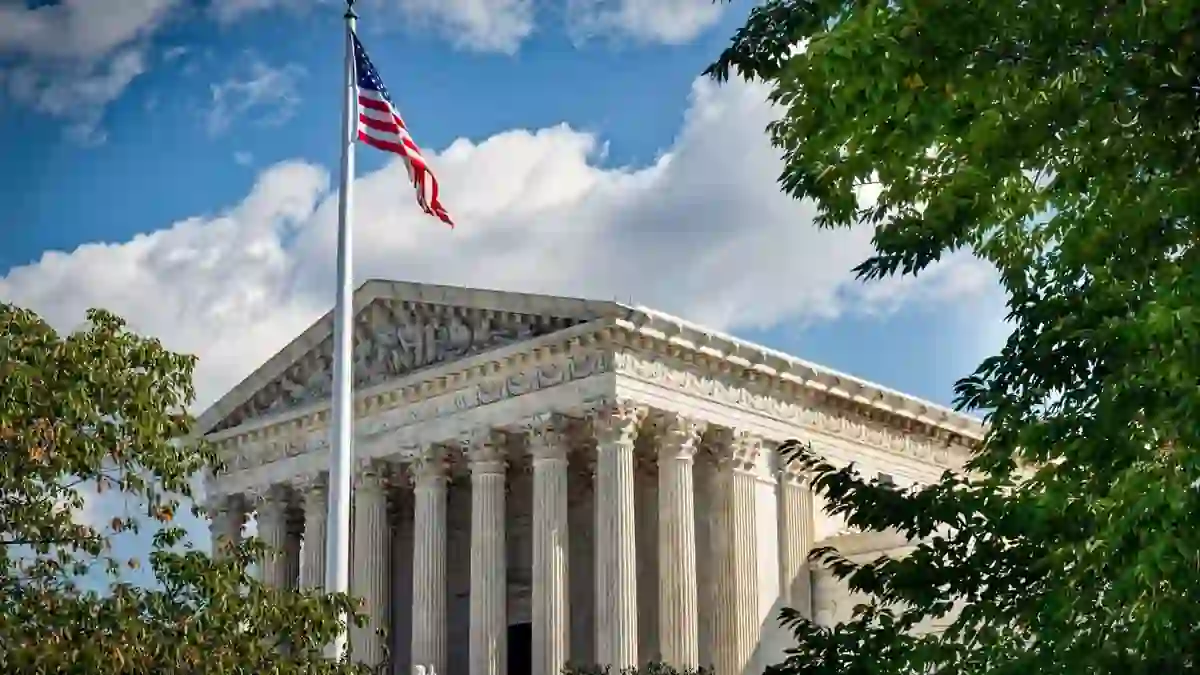
On June 30, 2026, the Supreme Court ruled six to three in Trump v. Barbara (No. 25-365) that the Fourteenth Amendment's Citizenship Clause guarantees citizenship at birth to children born in the United States, including children of parents unlawfully or temporarily present in the country.
Chief Justice John Roberts wrote the majority opinion, reaffirming the Court's 1898 decision in United States v. Wong Kim Ark, which held that a child born on American soil and subject to American law is an American citizen, regardless of the parents' citizenship.
The ruling struck down Executive Order 14160, which President Trump signed on January 20, 2025. The order sought to deny citizenship to certain children born in the United States based on their parents' immigration status. It never took effect. Every lower court that reviewed it blocked its enforcement, and the case reached the Supreme Court after a federal judge in New Hampshire certified a class action and issued a preliminary injunction on July 10, 2025.
Justice Brett Kavanaugh agreed the executive order was invalid, but on narrower grounds. In plain terms, he found that the order violated a federal statute, 8 U.S.C. 1401(a), rather than the Constitution itself.
According to the Judges, the constitutional rule states that birthplace, not parentage, determines citizenship, and that this has been the governing rule since 1898.
If your child was born in the United States while you held O-1, H-1B, L-1, or any other visa status, or while your green card petition was pending, your child's citizenship was never altered by Executive Order 14160.
Your child's citizenship is one part of building a long-term life in the United States. Your own pathway, whether that is an O-1 petition, an EB-2 NIW self-petition, or an EB-1 petition, is still within your control. Beyond Borders' attorneys will assess your eligibility directly to determine which pathway best fits your case and timeline.

