The EB-2 NIW for doctors can be a strong green card path for physicians, surgeons, medical researchers, and healthcare professionals whose work serves an important U.S. healthcare need. Unlike many employer-sponsored green card options, the EB-2 National Interest Waiver may allow qualified applicants to self-petition without a PERM labor certification or a permanent job offer. USCIS states that EB-2 applicants must first qualify through an advanced degree or exceptional ability, and NIW applicants must then show that waiving the job offer and labor certification benefits the United States.

Yes, doctors can qualify for EB-2 NIW if they satisfy both parts of the case. First, they must qualify for EB-2, usually through an advanced degree such as an M.D., D.O., Ph.D., or equivalent foreign degree. Some applicants may also qualify through exceptional ability if they can show expertise significantly above what is normally found in the field.
Second, the doctor must prove that their work meets the national interest waiver standard. For a strong EB-2 NIW for physicians, the case should clearly explain the proposed endeavor, why it matters to the United States, and why the applicant is well-positioned to advance it.
A doctor’s medical degree can help establish the EB-2 foundation. Additional evidence may include board certification, residency or fellowship training, specialist credentials, hospital leadership, publications, grants, clinical trials, public health work, or medical innovation.
Doctors should also understand the difference between a general EB-2 NIW and a physician national interest waiver. USCIS has a specific physician NIW route for doctors who agree to work full-time in clinical practice in designated underserved areas or VA facilities. Not every doctor must use that route, but the distinction matters.
A doctor working on chronic disease prevention, rural healthcare access, maternal health, mental health access, cancer treatment, infectious disease control, or specialist shortages may have a strong national importance argument.
Medical researchers, physician-scientists, and healthcare innovators can also build strong NIW cases. Evidence may include publications, citations, clinical trials, patents, treatment protocols, medical software, public health programs, or adoption of their work by hospitals or institutions.
A strong EB-2 NIW for doctors needs evidence that connects the applicant’s work to U.S. benefit. The case should not read like a résumé. It should show why the doctor’s background, achievements, and future work support the national interest.
Useful evidence may include improved patient outcomes, leadership in high-need departments, service in shortage areas, specialist expertise, hospital program development, quality improvement work, or measurable care access improvements.
For doctors with academic or research backgrounds, strong evidence may include peer-reviewed publications, citation records, conference presentations, funded research, clinical trials, medical device work, patents, or treatment guideline contributions.
Recommendation letters should not simply say the doctor is hardworking or respected. Strong letters explain the applicant’s specific medical contribution, why it matters, and how the United States benefits from the applicant continuing this work.
Learn more about EB-2 requirements here on Beyond Borders’ guide.

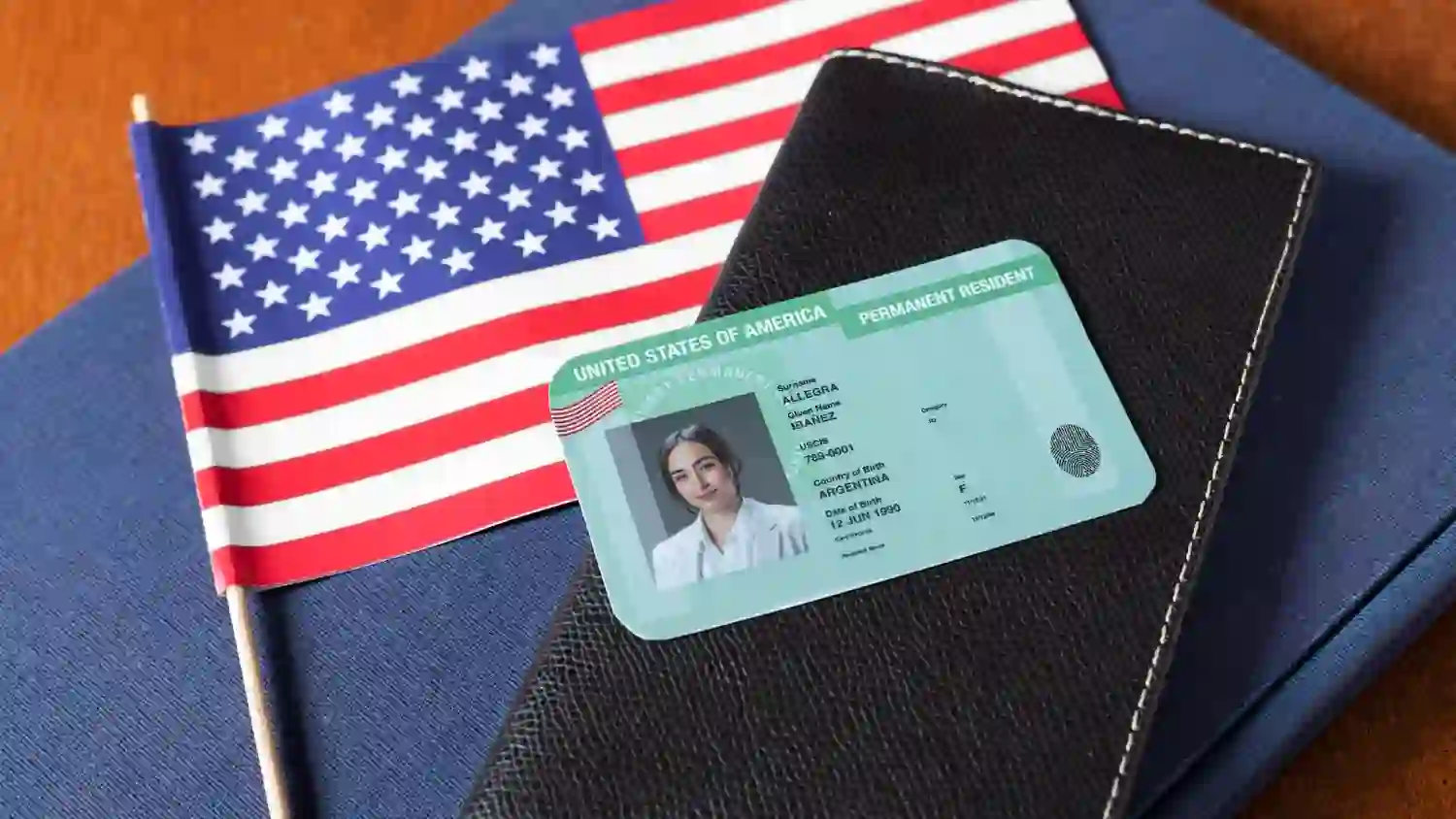
Many doctors compare the doctor green card self-petition route with employer-sponsored options. The right path depends on the applicant’s role, employer support, timeline, immigration history, and evidence strength.
Doctors with strong research, national healthcare impact, public health work, or underserved care may benefit from Beyond Borders’ EB-2 NIW green card service. Highly recognized physicians may also compare NIW with EB-1 green card options. Doctors who need a temporary U.S. work option before a green card may also consider the O-1 visa for extraordinary ability professionals.
Doctors and medical professionals should not view EB-2 NIW in isolation. Depending on the profile, timeline, employer setup, and long-term immigration goal, other Beyond Border visa options may also be relevant. Since EB-1 has already been covered separately, this section can focus only on O-1 and L-1.
The O-1 visa may be useful for doctors or medical researchers who need a temporary U.S. work visa while building a long-term green card strategy. It can work well for physicians with strong publications, citations, awards, clinical innovation, speaking roles, judging experience, or leadership in major medical institutions.
The L-1 visa may fit doctors or healthcare leaders who are expanding a foreign medical business, clinic, healthtech company, or healthcare operation into the United States. It is not mainly an achievement-based visa. Instead, it depends on the relationship between the foreign company and U.S. entity, plus the applicant’s executive, managerial, or specialized knowledge role.
Beyond Border helps physicians and medical professionals turn scattered achievements into a clear immigration case. For an EB-2 NIW for doctors, that means defining the proposed endeavor, selecting the strongest evidence, and building a national interest narrative around U.S. healthcare needs.
Our team helps identify whether the case should emphasize clinical impact, medical research, underserved care, innovation, or a combination of these. We also help compare NIW with related options and strengthen the petition before filing.
The EB-2 NIW for doctors can be a strong option for physicians and healthcare professionals whose work benefits the United States. But the case must be built carefully. A strong petition does not just say the applicant is a good doctor. It proves that the doctor’s work matters nationally and that they are well-positioned to advance it.
Beyond Border helps doctors, researchers, and healthcare professionals build evidence-driven NIW petitions.
Schedule your free consultation and profile evaluation.
Yes. Doctors may be able to self-petition for EB-2 NIW if they meet EB-2 requirements and show that their proposed medical work serves the U.S. national interest.
No. A medical degree may help establish EB-2 eligibility, but the applicant still needs evidence of national importance, strong positioning, and future U.S. benefit.
Strong evidence may include clinical impact, underserved area work, publications, citations, research, clinical trials, hospital leadership, medical innovation, public health work, and expert recommendation letters.
It depends. EB-2 NIW may offer more flexibility because it can avoid PERM and employer sponsorship, but it requires a strong national interest argument.
Yes. Medical researchers may qualify if their work has substantial merit and national importance, and they can show they are well-positioned to advance that work in the United States.

Address: 4 W 4th Ave, San Mateo, CA 94402, United States
Email: info@beyondborderglobal.com