.avif)
On August 6, 2026, President Trump signed two executive orders following the Supreme Court's decision in Trump v. Barbara. In that case, the Court ruled that the Constitution generally grants citizenship to children born in the U.S. The administration is now trying to narrow that rule with two new policies: one that identifies specific groups who won't get birthright citizenship, and another aimed at stopping "birth tourism."
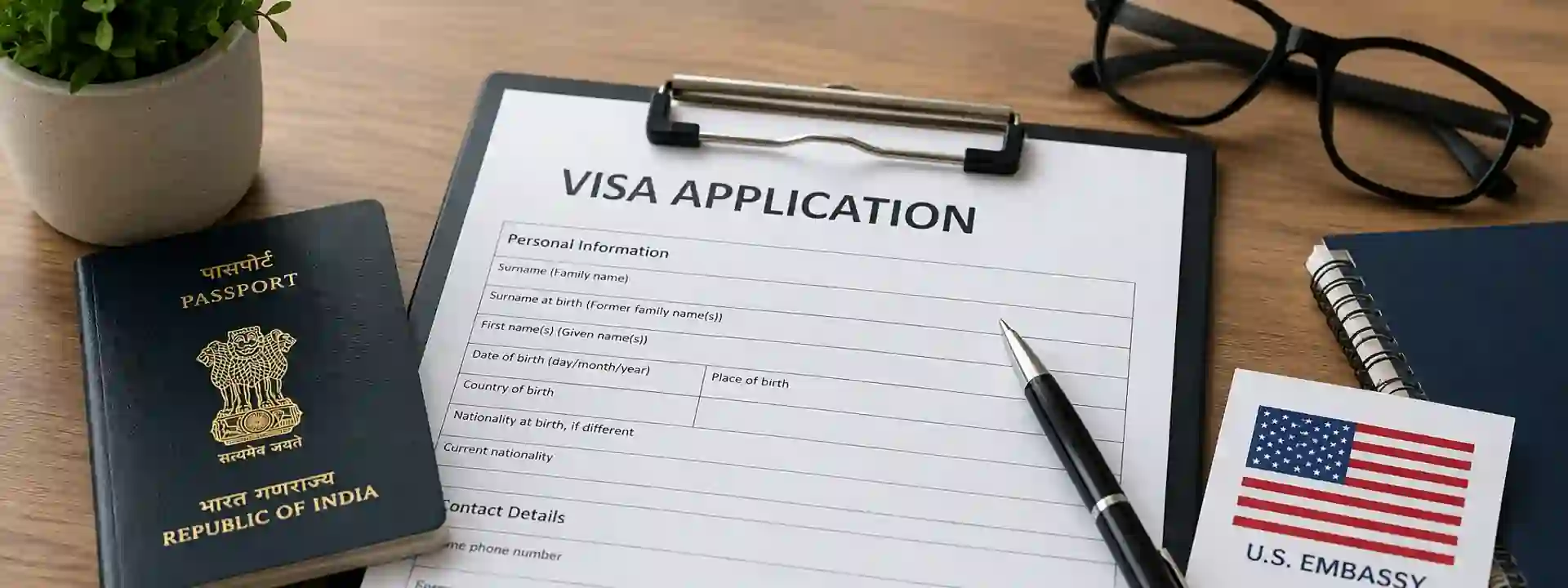
A federal judge in Boston has temporarily blocked USCIS from carrying out several policies that would have cut off work authorization for tens of thousands of Temporary Protected Status (TPS) beneficiaries.
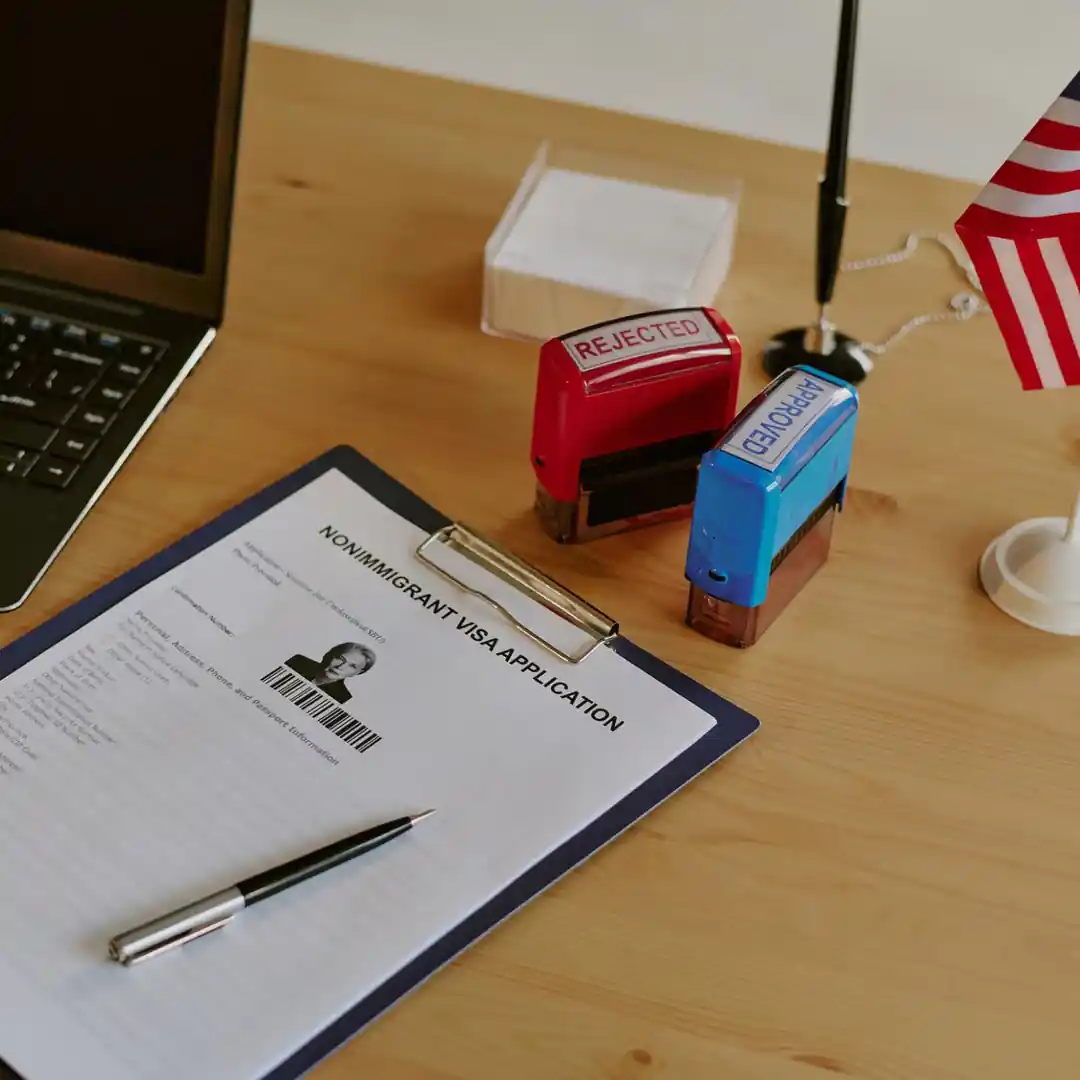
U.S. Citizenship and Immigration Services has released case processing data for the first quarter of fiscal year 2026, covering petitions decided between October and December 2025.

The Department of Homeland Security has finalized a rule eliminating "duration of status" (D/S) admissions for F-1 academic students, J-1 exchange visitors, and I foreign media representatives.

As H-1B lottery odds continue to shrink, the O-1 visa has become an increasingly popular alternative for individuals who can demonstrate extraordinary ability in their field. See what qualifies as extraordinary ability under USCIS criteria.

U.S. immigration authorities have issued a stark warning amid a broader visa and immigration crackdown: criminal activity remains a direct and often insurmountable barrier to lawful permanent residency.
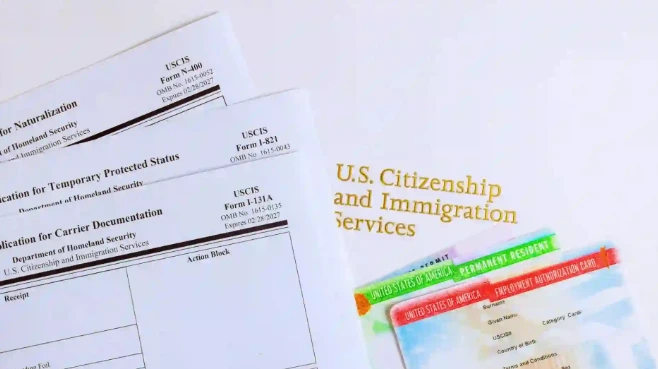
The U.S. offers more than 20 visa categories, and choosing the right one depends on your purpose, timeline, and professional profile. See how the H-1B lottery compares to cap-free pathways like the O-1A, EB-1A, and EB-2 NIW.

A recent success story from an Indian IT professional highlights what actually works in the B1/B2 interview room: honesty, clear purpose, and strong ties to home. See the six strategies that helped him secure approval.
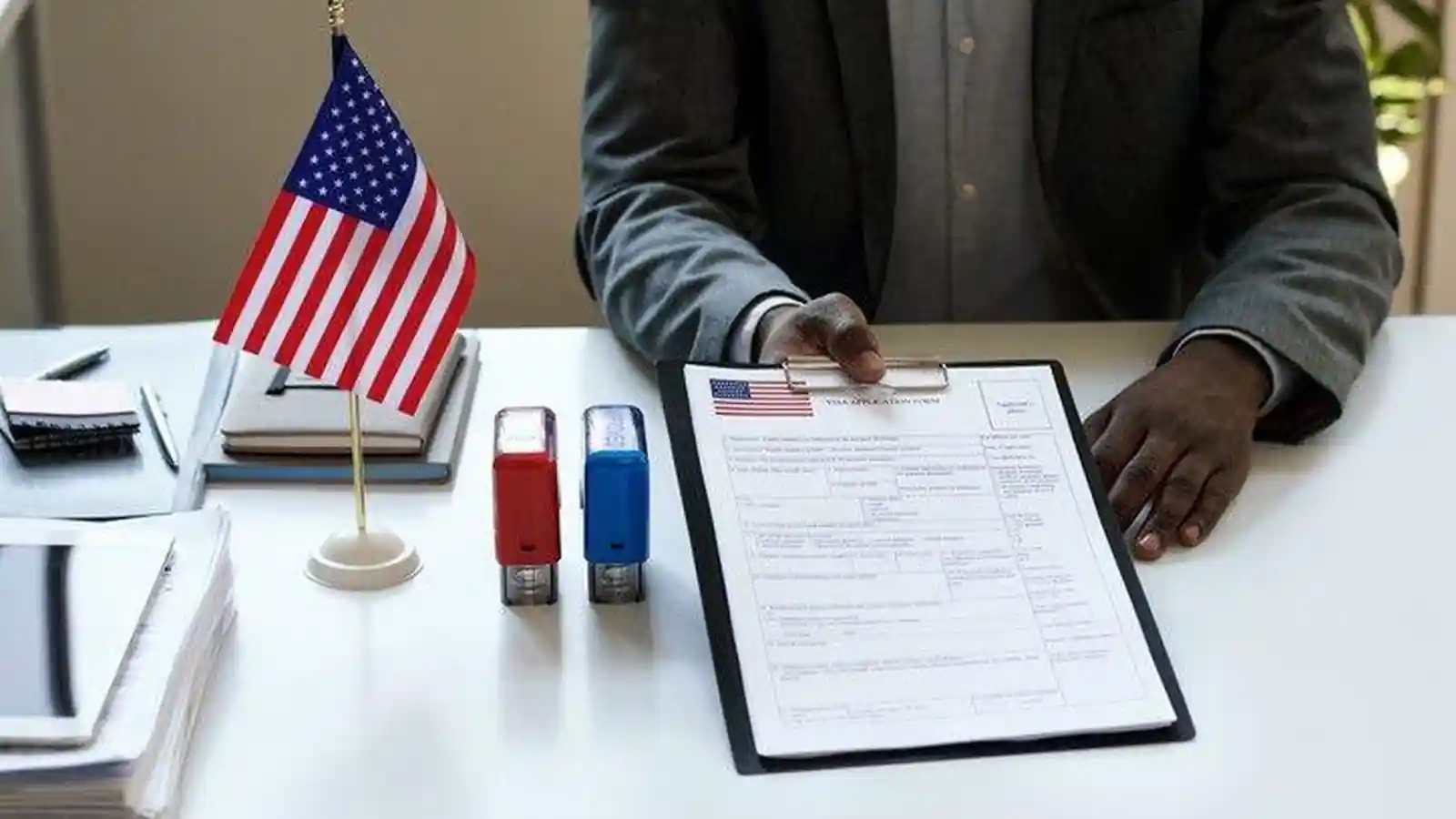
The U.S. government has reduced the mandatory out-of-country waiting period for certain R-1 Religious Worker visa applicants, easing a long-standing burden for change-of-status cases.

Indian travelers can now visit Argentina without a separate visa by using a valid US B2 or Schengen C visa. Discover simplified entry rules, top destinations, and tips for a seamless Argentine adventure.

Address: 4 W 4th Ave, San Mateo, CA 94402, United States
Email: info@beyondborderglobal.com