I-129F Processing Time 2026: Fiancé Visa Timeline Explained

How long does I-129F processing take in 2026? USCIS review runs 8 to 14 months. Full K-1 fiancé visa timeline, K-1 visa steps, NVC, and 90-day marriage rule explained.
Last Updated
May 12, 2026
Written by
Camila Façanha
Reviewed By
Team Beyond Border
US Passport
Table of Content
- Toc Heading
- Toc Heading
- Toc Heading
- Toc Heading
- Toc Heading
- Toc Heading
- Toc Heading
- Toc Heading
!
Key Takeaways About I-129F Processing Time and K-1 Fiancé Visa Timeline (2026):
  • »
    I-129F processing time at USCIS may run around 8 to 14 months in 2026, depending on case volume and adjudication delays.
  • »
    The complete fiancé visa timeline in 2026, from petition filing to U.S. entry, typically spans around 12 to 18 months.
  • »
    K-1 visa processing time usually involves five stages: USCIS adjudication, NVC transfer, embassy scheduling, consular interview, and visa issuance.
  • »
    The 90-day marriage rule is statutory; couples must legally marry within 90 days of K-1 entry or the visa expires.
  • »
    Common I-129F delays in 2026 include Requests for Evidence, insufficient relationship proof, embassy backlogs, and administrative processing after the interview.
  • »
    Beyond Border specializes in employment-based pathways such as O-1 Visa, L-1 Visa, EB-1 Green Card, and EB-2 NIW.
  • »
    For professionals managing both family-based and employment-based immigration tracks, Beyond Border advises on how to structure both strategies together.

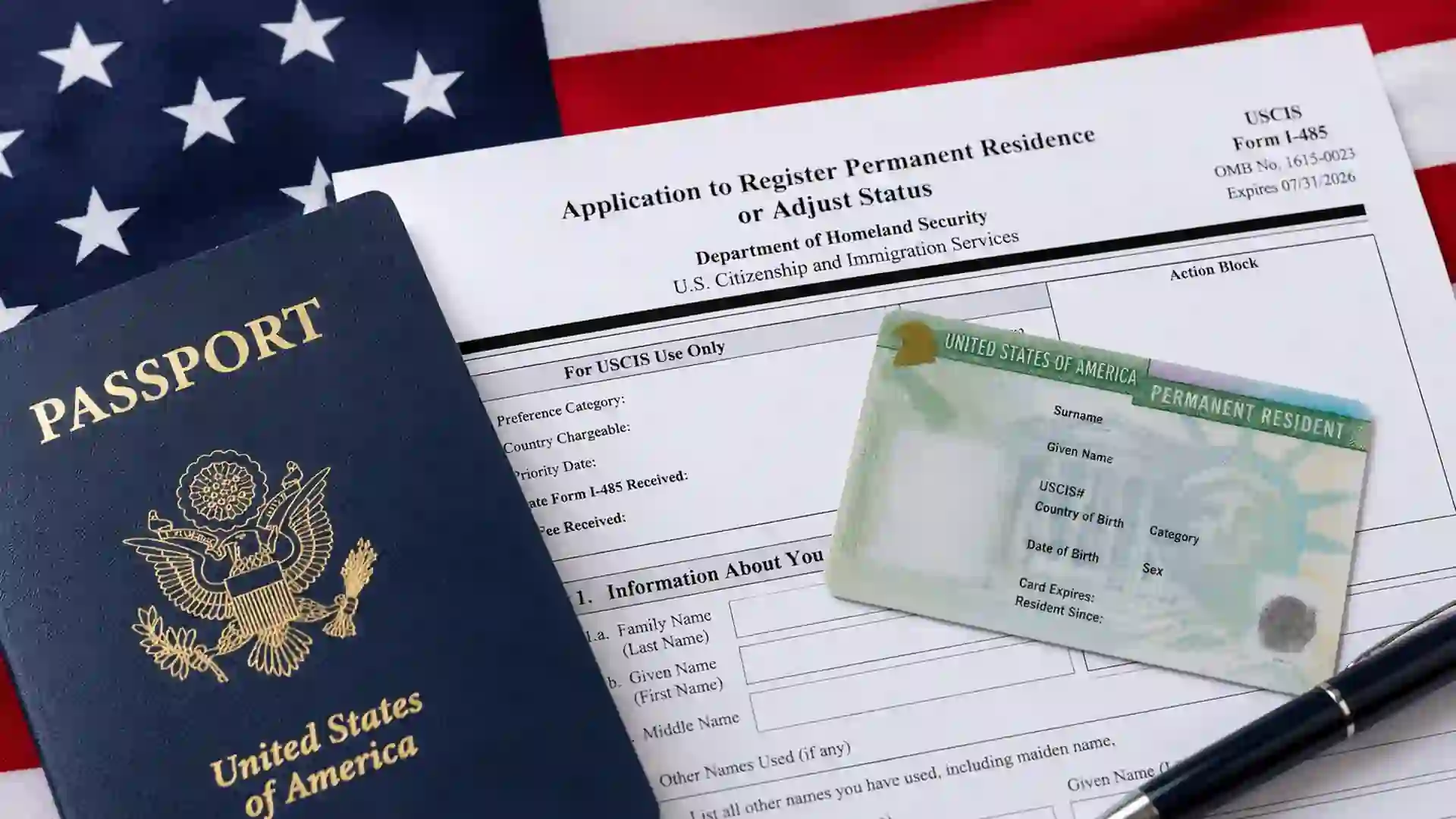
Form I-129F is the Petition for Alien Fiancé(e), filed by a U.S. citizen with USCIS to initiate the K-1 fiancé visa process. How long does I-129F take? USCIS adjudication alone runs 8 to 14 months in 2026, making accurate early filing the most consequential planning decision couples face. The K-1 visa processing time extends further through NVC transfer and the consular interview stage, bringing the full fiancé visa timeline 2026 to 12 to 18 months.

[Check the USCIS processing times page for the most current I-129F estimates, as USCIS updates these weekly.]

What Is the Full K-1 Fiancé Visa Timeline in 2026?

K-1 Visa process

Understanding how long does I-129F take requires planning against all five K-1 visa steps, not just the USCIS stage.

Stage Agency Duration
USCIS I-129F adjudication USCIS 8 to 14 months
NVC transfer and case routing National Visa Center 1 to 2 months
Embassy interview scheduling U.S. embassy abroad 1 to 3 months
Embassy review and visa issuance U.S. embassy abroad 2 to 4 weeks
Total: filing to U.S. entry 12 to 18 months

USCIS I-129F adjudication

Agency

USCIS

Duration

8 to 14 months

NVC transfer and case routing

Agency

National Visa Center

Duration

1 to 2 months

Embassy interview scheduling

Agency

U.S. embassy abroad

Duration

1 to 3 months

Embassy review and visa issuance

Agency

U.S. embassy abroad

Duration

2 to 4 weeks

Total: filing to U.S. entry

Agency

Duration

12 to 18 months

(Source: USCIS processing time data, 2026)

The fiancé visa timeline 2026 can extend beyond 18 months when Requests for Evidence are issued, embassy backlogs are severe, or administrative security holds follow the consular interview. Cases with complete, well-organized petitions and lower-demand embassies may fall toward the shorter end of the K-1 visa processing time range.

For guidance on what "case ready for interview" means and the K-1 visa steps at the embassy stage, see the case ready for interview guide.

What Does the I-129F Filing Package Require?

The I-129F 2026 petition package must include: completed and signed Form I-129F; the $675 filing fee payable to the U.S. Department of Homeland Security; proof of U.S. citizenship (passport copy, birth certificate, or naturalization certificate); proof both parties are legally free to marry; evidence of at least one in-person meeting within the past two years; photographs together with dates and locations; and communications evidence documenting the ongoing relationship.

Optional but strengthening materials include letters from family or friends who know the couple, financial support evidence, and documentation of future marriage plans.

couple with USA flag Beyond Border

What Is the 90-Day Marriage Rule?

Once the K-1 holder enters the United States, the couple has exactly 90 days to legally marry. This rule is statutory with no extensions or exceptions. If the couple does not complete the legal marriage within 90 days, the K-1 visa expires and the foreign-born fiancé must depart. Overstaying creates unlawful presence and multi-year reentry bars.

Many couples complete a civil ceremony to meet the 90-day deadline and hold a larger celebration later. The civil marriage is legally sufficient for immigration purposes.

Need help with your U.S. visa application?

Book a free call with our expert immigration team

Book a Free Consultation

What Causes I-129F Delays?

Insufficient relationship evidence is the leading RFE trigger. Petitions without sufficient photographs, travel records, and communications logs draw additional scrutiny and add 2 to 4 months to the USCIS stage.

Embassy backlogs at high-volume posts in South Asia, Africa, and Latin America extend the K-1 visa processing time beyond average, sometimes significantly.

Administrative processing holds after the consular interview occur in cases involving prior immigration violations, extensive international travel, or security screening flags; these cannot be expedited.

Form errors and fee mistakes return petitions to the filer, adding 4 to 8 weeks before the I-129F 2026 case re-enters the queue.

For guidance on fast-tracking the NVC stage when humanitarian grounds apply, see the expedited NVC processing guide.

After Marriage: I-485 Adjustment of Status

After the couple marries, the foreign-born spouse files Form I-485 to adjust status to lawful permanent resident. I-485 processing currently runs 11 to 31.5 months. During this period, the applicant may apply for an Employment Authorization Document and Advance Parole. For a comparison of adjustment of status versus consular processing, see the I-485 vs consular processing guide.

How Beyond Border Supports Professionals With Dual Immigration Tracks

Beyond Border is an immigration firm focused on employment-based high-skilled pathways. For professionals simultaneously navigating a fiancé visa process and evaluating the O-1 Visa, L-1 Visa, EB-1 Green Card, or EB-2 NIW, the firm advises on structuring both tracks without conflict.

For fiancé visa representation specifically, Boundless Immigration and Stump and Associates provide dedicated family-based immigration services.

To discuss employment-based options running in parallel with a family-based case, book a free consultation with Beyond Border.

We have handled this before, We'll help you handel it now

Speak with Beyond Border's expert attorney and get clarity on your next steps.
Book a Free Consultation

Frequently Asked Questions

How long does I-129F take in 2026?

USCIS adjudication runs 8 to 14 months. The full fiancé visa timeline 2026 including NVC transfer and embassy processing runs 12 to 18 months.

What are the K-1 visa steps after I-129F approval?

The K-1 visa steps after approval are: automatic transfer to the NVC, routing to the U.S. embassy, DS-160 completion, medical exam, consular interview, and visa issuance. Total embassy-stage K-1 visa processing time runs 4 to 6 months.

Can I-129F 2026 processing be expedited?

USCIS does not offer premium processing for I-129F. Expedite requests based on humanitarian grounds may be submitted but are granted at USCIS discretion and are not routinely approved.

Can my fiancé(e) visit the U.S. while the I-129F is pending?

A pending I-129F does not automatically prevent travel to the U.S. on a visitor visa or ESTA. However, the beneficiary must prove nonimmigrant intent and strong ties abroad. Entry is always determined by U.S. Customs and Border Protection at the port of entry.

What documents are required for an I-129F filing in 2026?

A complete I-129F filing generally includes proof of U.S. citizenship, evidence of an in-person meeting within the last two years, intent-to-marry statements, passport-style photos, and relationship evidence such as travel records, messages, and photographs.

What happens if my K-1 visa is denied at the embassy?

If a K-1 visa is denied, the consular officer may issue a refusal under additional administrative processing, request more evidence, or return the petition to USCIS for reconsideration. Outcomes depend on the reason for denial and case-specific facts.

Author's Profile
Legal Head Beyond Border - Camila Facanha
Camila Façanha
Head of Legal & Legal Writer
Camila is the Head of Legal at Beyond Border, and has personally assisted hundreds of O-1, EB-1 and EB2-NIW aspirants achieve their statuses with a near perfect track record in extraordinary alien cases.  Camila is a sought after voice in the U.S. extraordinary alien visa field in press including Times of India.