

EB-1A for athletes can be a strong green card option for sports professionals who have reached a high level of recognition in their field. It is not only for Olympic medalists or world champions. It may also fit professional athletes, nationally ranked competitors, coaches, trainers, sports executives, and other recognized sports professionals.
USCIS looks beyond talent, participation, or professional experience. A strong EB-1A for athletes case should show proof of national or international recognition through awards, rankings, media coverage, elite team selection, major competition results, contracts, or other credible evidence. An extraordinary ability visa for athletes depends on how clearly the petition proves recognition, not just performance.
For athletes considering an American permanent residence, the EB-1 green card option can be a good option because EB-1A allows self-petitioning and does not require a labor certification.
Athletes can qualify for EB-1A if they can prove extraordinary ability through strong, documented evidence. The EB-1A green card for athletes is meant for sports professionals who have reached a high level of recognition and plan to continue working in their field in the United States.
USCIS looks beyond talent, participation, or professional experience. A strong EB-1A for athletes case should show proof of national or international recognition through awards, rankings, media coverage, elite team selection, major competition results, contracts, or other credible evidence.
Coaches, trainers, performance specialists, sports executives, agents, and retired athletes may also qualify if their work shows high-level recognition in sports. The key is to clearly explain why the person’s achievements matter and how they compare to others in the field.
A strong EB-1A for athletes case usually needs more than one type of proof. USCIS will not approve a petition just because someone has played professionally, competed for many years, or has a long sports resume. The case must show real recognition in the sport, preferably at the national or international level.
For a green card for sports professionals, the best evidence usually comes from independent sources such as sports federations, professional leagues, official ranking bodies, major media outlets, and credible experts.
Awards can be strong evidence in an EB-1A for athletes case, especially when they come from recognized leagues, federations, tournaments, or national bodies. This may include national championships, international medals, league honors, MVP awards, federation awards, all-star selections, or major tournament prizes.
The award does not always need to be world-famous. What matters is whether the petition explains why it is important, how selective it was, and what level of recognition it shows.
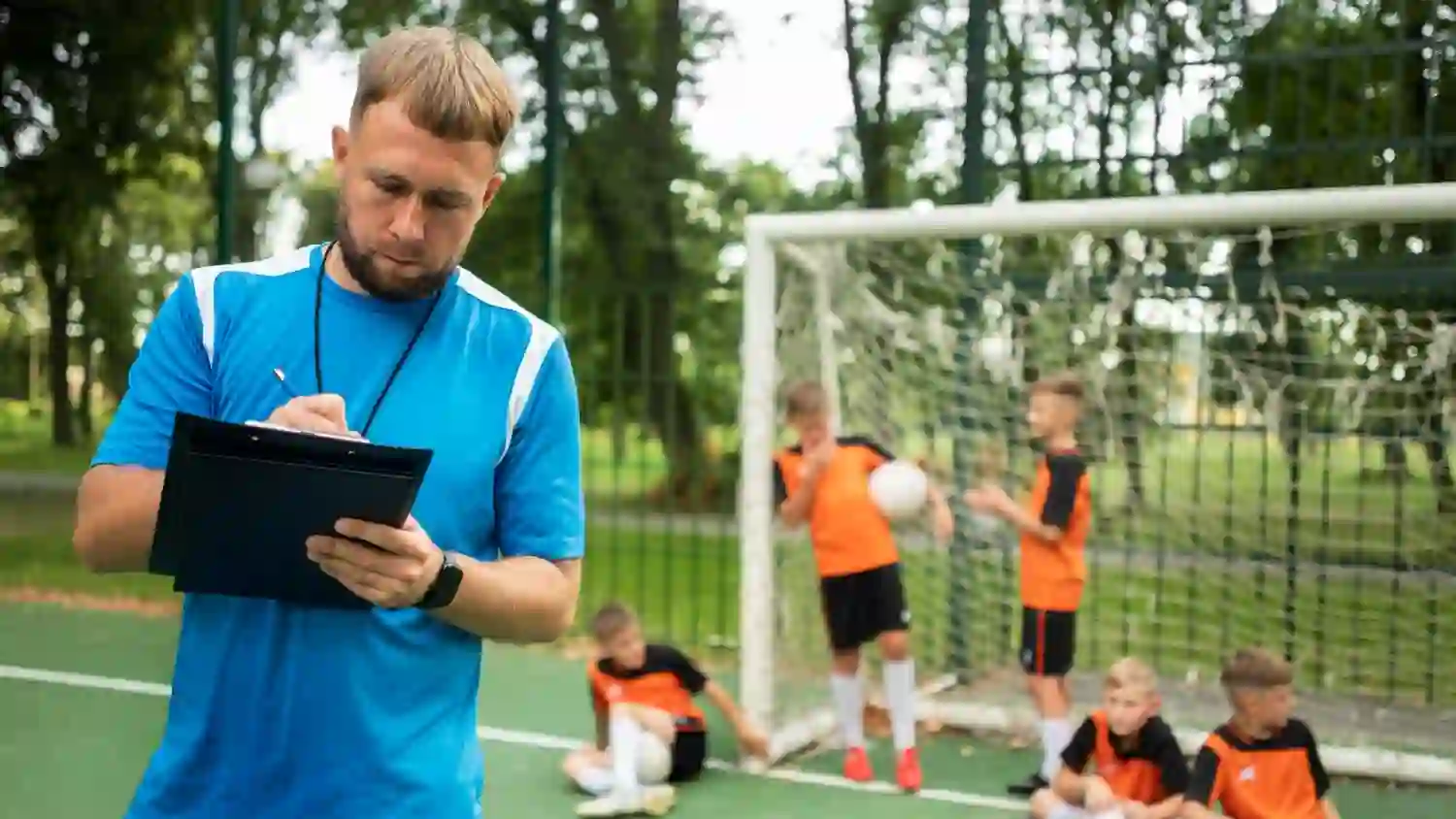
Rankings can help because they show where the athlete stands compared to others. This may include world rankings, national rankings, professional league standings, draft selection, Olympic qualification, national team selection, or official federation lists.
Major competitions can also support the case. Examples include the Olympics, World Championships, continental championships, national championships, elite professional leagues, international circuits, local competitions, and recognized esports competitions. The petition should explain why the event or ranking is competitive and respected.
Media coverage should focus directly on the athlete or sports professional. Strong examples include profiles, interviews, match coverage, broadcast features, and articles in respected sports publications.
Brief mentions, roster listings, or small local write-ups are usually weaker. For EB-1A evidence for athletes, the coverage should show why the person received attention and how that attention reflects recognition in the field.
Professional contracts can help show that the athlete worked at a serious level, especially if the contract is with a respected team, league, or organization. Sponsorships, endorsements, prize money, and performance bonuses can also support the case.
High salary or prize money is stronger when it is compared with others in the sport. USCIS needs to understand whether the compensation shows the applicant is valued above most peers.
Expert letters can help explain the athlete’s importance in simple terms, especially if the sport or ranking system is not widely understood. Strong letters may come from recognized coaches, federation officials, league executives, former elite athletes, journalists, or other respected experts.
The best letters are specific. They should explain what the athlete achieved, why it matters, and how the athlete compares to others in the sport.
EB-1A is not limited to athletes who are still actively competing. Many sports professionals continue their careers through coaching, training, management, consulting, or executive leadership.
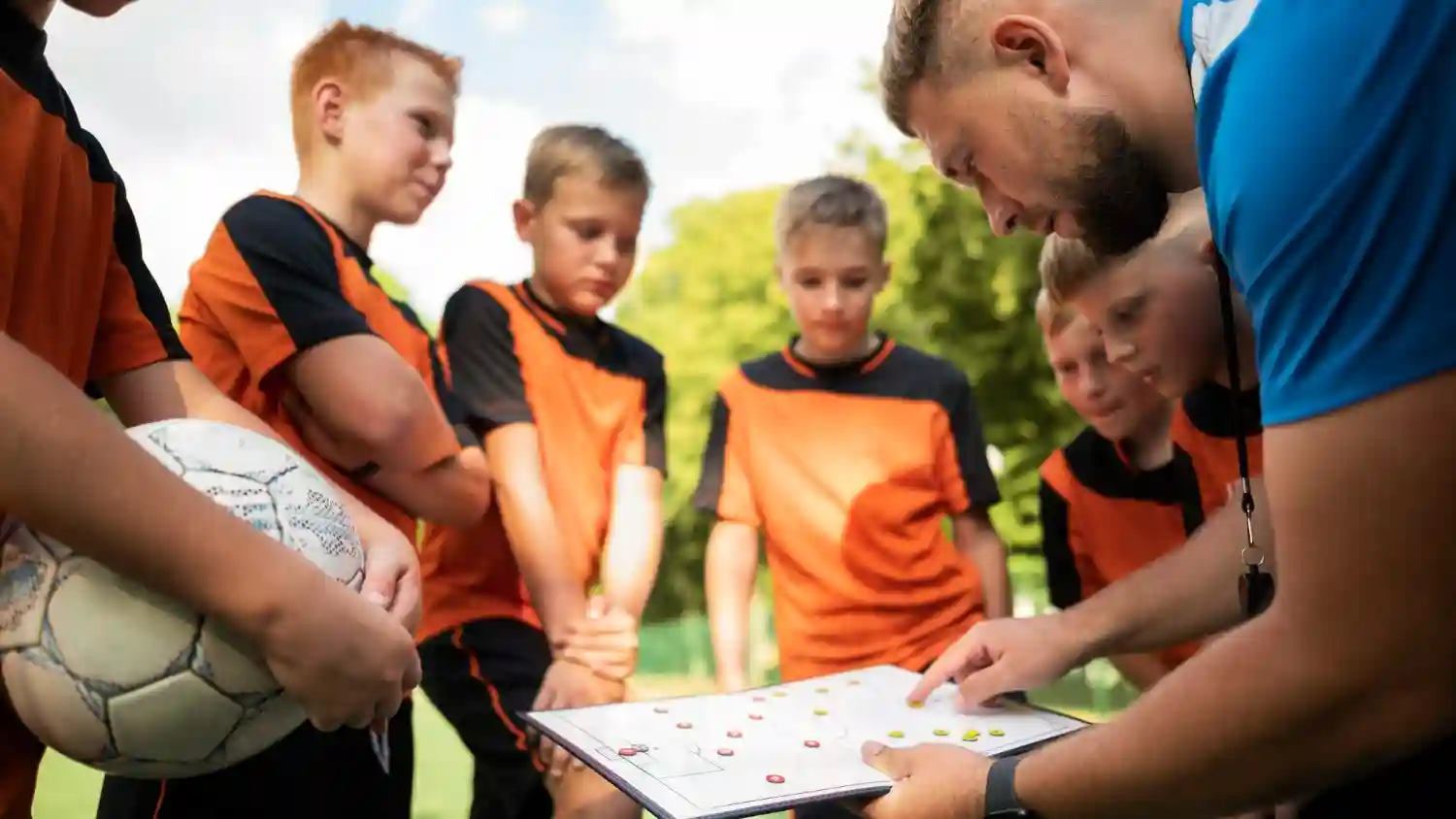
Coaches can qualify when they show recognition at a high level. Evidence may include coaching elite athletes, leading championship teams, holding national team roles, receiving media coverage, or developing training methods adopted by others.
A coach’s case should focus on results, reputation, and influence.
Trainers, sports scientists, physiotherapists, analysts, and performance specialists may use evidence such as work with elite athletes, team appointments, published methods, high-level contracts, measurable athlete outcomes, or expert recognition.
The goal is to show that the person is not just part of a support staff, but a recognized expert in the sports field.

Sports executives may qualify if they have led major organizations, shaped athlete development, negotiated significant deals, launched important sports programs, or contributed to commercial growth in the industry. The sports executives' case may also be related to the EB-1 Green Card for executives, which may have interrelated evidence types.
For executives, the petition should connect leadership results to broader recognition and field-level impact.

Many athletes compare the EB-1A for athletes with the O-1 visa. Both involve extraordinary ability, but they serve different purposes.
The O-1 is a temporary work visa. EB-1A is an immigrant green card category. An O-1 usually requires a U.S. petitioner or agent, while an EB-1A allows self-petitioning.
Athletes who need U.S. work authorization for competitions, contracts, coaching, or sports projects may first consider the O-1 visa for athletes.
O-1 may be better when the athlete needs to enter the U.S. sooner, has an upcoming sports opportunity, or is still building a stronger permanent residence record.
It can also help athletes, coaches, and trainers start working in the U.S. while preparing a stronger green card strategy.
EB-1A may make more sense when the athlete already has strong awards, rankings, media coverage, major competition results, and a clear plan to continue working in the sports field in the U.S.
For some applicants, the best strategy is to move from O-1A to green card after building a stronger record.
A strong athlete's petition is not just a list of achievements. It needs to show how awards, rankings, media coverage, contracts, salary, expert letters, and future U.S. work connect to the EB-1A standard.
Beyond Border helps athletes, coaches, trainers, and sports professionals assess their evidence, identify gaps, and decide whether EB-1A for athletes is the right green card strategy or whether an O-1 should come first.
Schedule your free consultation and profile evaluation.
Yes. An Olympic medal can be strong evidence, but it is not required. Athletes may qualify with national or international rankings, professional contracts, major competition results, media coverage, awards, high salaries, and expert letters.
No. O-1 approval can support the overall immigration history, but EB-1A has a separate green card standard. The petition must still prove sustained acclaim and extraordinary ability.
Yes. Coaches can qualify if they show high-level recognition, such as coaching elite athletes, leading major teams, winning championships, receiving media coverage, or influencing training methods in their sport.
The strongest evidence often includes major awards, official rankings, national team selection, international competition results, strong media coverage, high compensation, and credible expert letters.
Yes. Retired athletes may apply if they continue working in the same field through coaching, consulting, training, sports leadership, or related work. The case should connect past athletic acclaim to future U.S. work.

Address: 4 W 4th Ave, San Mateo, CA 94402, United States
Email: info@beyondborderglobal.com


